
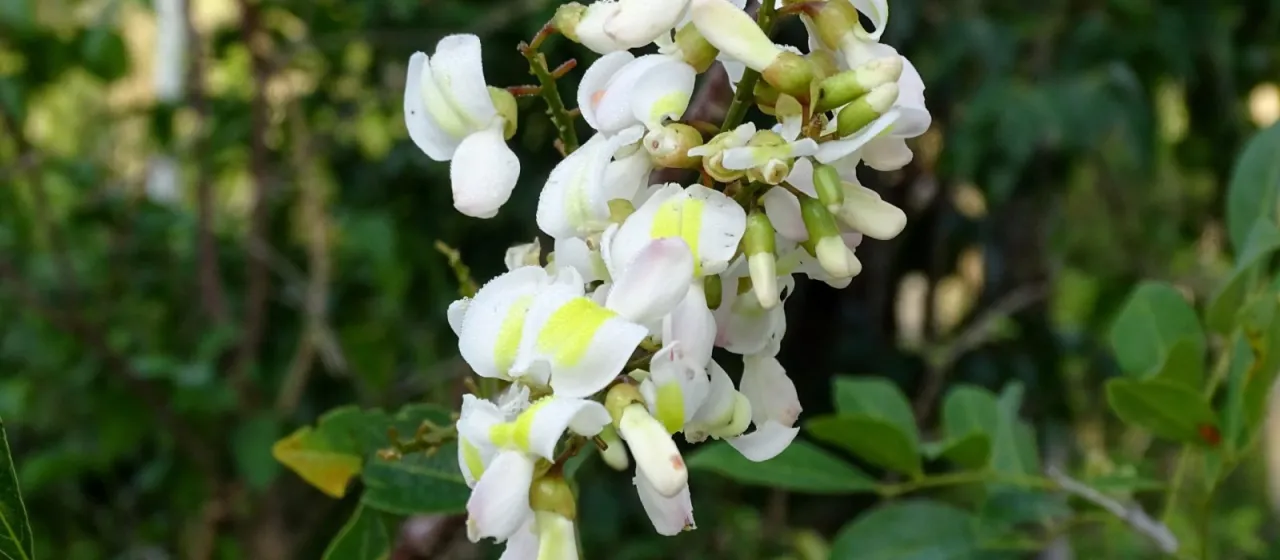
Description
Gliricidia maculata is a perennial leguminous tree belonging to the Fabaceae family. Known for its rapid growth and significant nitrogen-fixing ability, it serves as a critical crop in tropical agriculture, particularly in sustainable farming systems aimed at soil restoration and livestock production.
Originating from Central and South America, this species has been introduced globally to tropical and subtropical regions. It is highly valued in countries across Africa and Southeast Asia, where it is utilized for soil enrichment, fodder production, and as an essential component in agroforestry practices.
The plant is characterized by pinnate leaves and attractive pink to purple flowers. Its deep root system provides excellent drought tolerance, allowing it to thrive in environments where water availability is inconsistent. The tree typically reaches a height of 5 to 12 meters, depending on soil conditions and management practices.
Regarding climate and soil, Gliricidia is remarkably adaptable, performing well in a variety of soils, including acidic and sandy types. It thrives in full sunlight and warm climates. Proper agronomy involves periodic pruning, which is essential to maximize the yield of foliage, which serves as a nutrient-rich organic fertilizer or supplemental animal feed.
- Utilized for living fences and boundary demarcation in agricultural fields.
- Supplies high-protein fodder for cattle, goats, and sheep.
- Acts as a vital source of green manure, boosting crop yields in surrounding areas.
- Provides erosion control on sloping terrains due to its extensive root network.
The crop is susceptible to certain fungal leaf spots when grown in excessively humid or shaded conditions, and specific aphids or leaf-eating insects may occasionally attack the canopy. However, its resilience allows it to recover quickly from such stressors, minimizing the need for intensive pest control interventions.