
Description
Quickstick (Gliricidia sepium) is a fast-growing, medium-sized perennial tree belonging to the Fabaceae family. It is globally recognized as one of the most versatile multipurpose legumes, extensively utilized in tropical agricultural systems to support sustainable land management practices.
Originating in the tropical forests of Central America and Mexico, the species has been successfully introduced to various tropical regions worldwide. It thrives in diverse environments, becoming a staple in agroforestry models in South Asia, the Caribbean, and parts of sub-Saharan Africa.
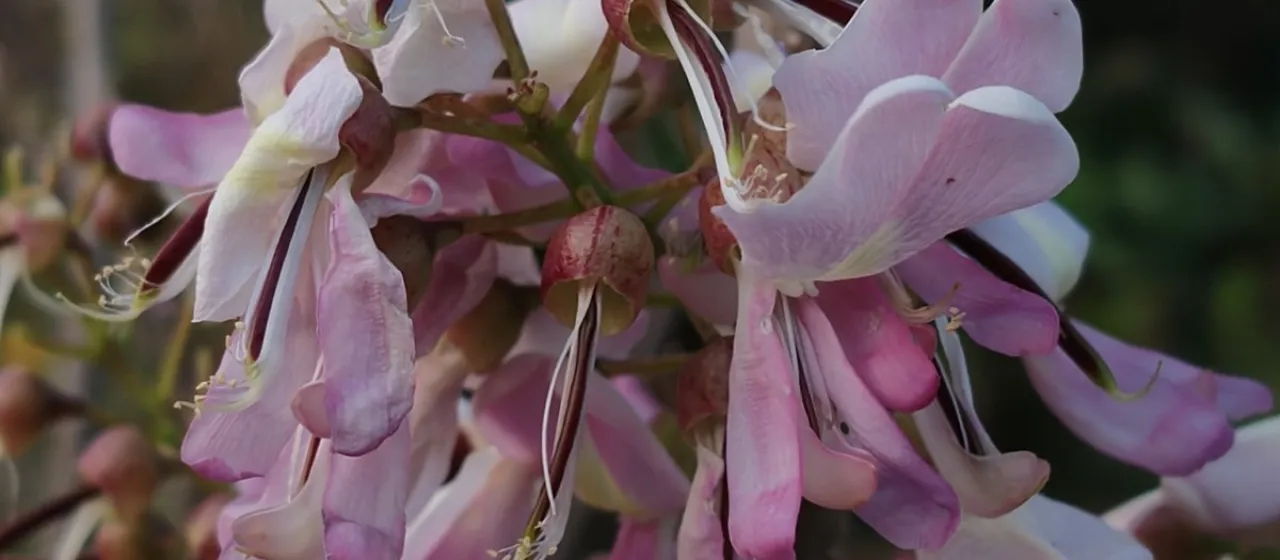
Botanically, it is characterized by its deciduous nature, pinnate leaves, and showy pink-to-white flowers that emerge on bare branches. The tree typically reaches a height of 10 to 15 meters and possesses a resilient root system that contributes to soil stabilization and water retention.
The crop is highly adaptable to various soil types, including those of low fertility and high acidity. It requires full sunlight for optimal growth but can tolerate a wide range of temperatures. As a nitrogen-fixing species, it significantly contributes to the natural fertilization of the soil, reducing the need for chemical inputs in farming systems.
In terms of agricultural utility, Gliricidia serves as a primary source of high-protein fodder for livestock, live fencing, and support for climbing crops such as vanilla or black pepper. Its leaves are also widely used as high-quality green manure, which decomposes rapidly and releases essential nutrients into the soil profile.
- Rapid biomass production for fuel and compost
- Exceptional tolerance to heavy pruning and coppicing
- Significant contribution to atmospheric nitrogen fixation
- Effective barrier against soil erosion on slopes
Regarding health management, the tree is generally hardy. While it may be susceptible to some leaf-spot diseases in extremely humid climates or occasional infestations by common insects, it rarely requires intensive pesticide treatment. Good field management and ensuring adequate drainage are usually sufficient to maintain the health of the plantation.