Globularia arabica
Globularia arabica Jaub. et Sp.
Description
Globularia arabica is a perennial herbaceous species belonging to the Plantaginaceae family. It is a distinctive, compact shrublet that has evolved to thrive in the harsh, arid environments characteristic of desert and semi-desert regions, showcasing remarkable biological endurance.
The plant is native to the Middle East and parts of North Africa. Its natural distribution is largely restricted to rocky substrates, limestone outcrops, and sandy plains where it survives extreme thermal conditions and very low annual precipitation, often serving as a key indicator species for these ecosystems.
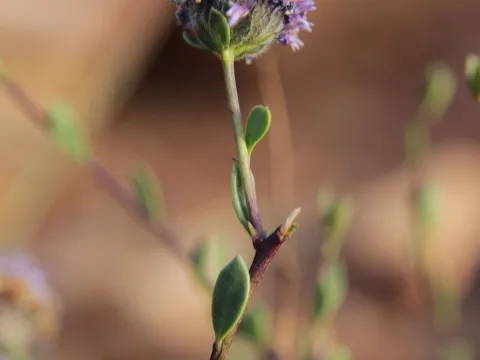
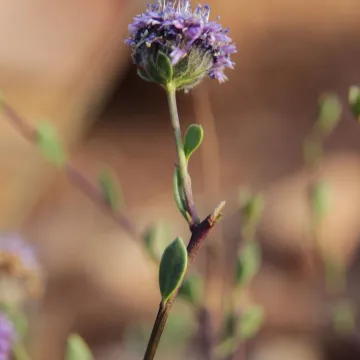
Botanically, the plant is characterized by its cushion-like growth habit, which acts as a survival mechanism against extreme evaporation. Its foliage consists of small, leathery leaves arranged in rosettes. The inflorescences are its most notable feature, presenting as dense, globose heads that bloom in shades ranging from white to soft blue, providing a unique aesthetic value.
Cultivation requires conditions that mimic its natural habitat. It thrives in full sun and requires extremely well-drained, nutrient-poor, mineral-rich soil. Farmers or enthusiasts must avoid heavy soils and excessive irrigation, as the root system is highly prone to rot when exposed to sustained moisture or poor drainage conditions.
The primary utility of Globularia arabica lies in ornamental landscaping, particularly in xeriscaping or rock gardens where water conservation is paramount. While some historical applications in local traditional medicine have been noted, its current economic value is primarily focused on its inclusion in botanical collections and sustainable gardening projects in arid regions.
- Pest concerns: spider mites in poorly ventilated environments.
- Disease risks: crown and root rot due to overwatering or lack of drainage.
Photo gallery