
Description
Globularia salicina is an evergreen shrub belonging to the Plantaginaceae family. Unlike many other members of the genus that are herbaceous, this species is noted for its woody stems and elegant growth habit, making it a distinctive ornamental plant suitable for Mediterranean-style landscapes and specialized collections.
The plant originates from the Canary Islands and Madeira. It thrives in oceanic climates characterized by mild winters and moderate humidity. Its natural distribution area indicates a preference for sunny, sheltered locations where it can avoid extreme temperature fluctuations and harsh frost conditions.
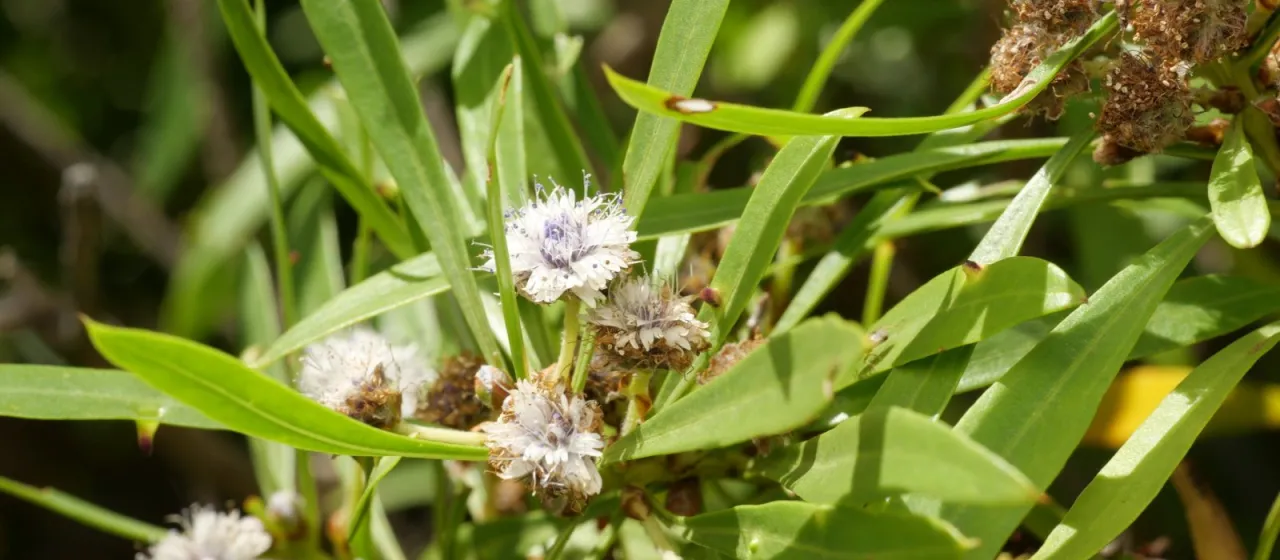
Botanically, it is defined by its tough, leathery, lanceolate leaves, which bear a strong resemblance to willow foliage, providing the inspiration for its common name. The plant produces charming globular flower heads featuring shades of blue to lilac, which offer high aesthetic value during the flowering season.
Agricultural and gardening requirements for this species include well-drained, porous soils that mimic its native rocky or volcanic habitats. It requires moderate watering; however, the soil must be allowed to dry out slightly between waterings to prevent root diseases. Proper ventilation is essential to maintain plant health, especially when cultivated in glasshouses or containers.
Globularia salicina is primarily used as an ornamental specimen in gardens and conservatory displays. Key aspects of maintenance and health include:
- Monitoring for root rot, which is common in waterlogged environments.
- Controlling pests such as aphids and spider mites during the growing season.
- Providing winter protection or moving container plants to frost-free environments in colder regions.