
Description
Globularia vulgaris, commonly known as common globularia, is a perennial herbaceous plant belonging to the Plantaginaceae family. This species is highly regarded in ornamental horticulture for its unique globose flower heads and its ability to thrive in challenging, rocky environments where many other plants struggle to establish.
The plant originates from Southern and Central Europe, where it naturally occurs on limestone slopes, screes, and dry meadows. Its natural habitat dictates its physiological needs, making it a robust species that has adapted to thrive in nutrient-poor, well-draining substrates, contributing to its popularity in rock garden design across Europe.
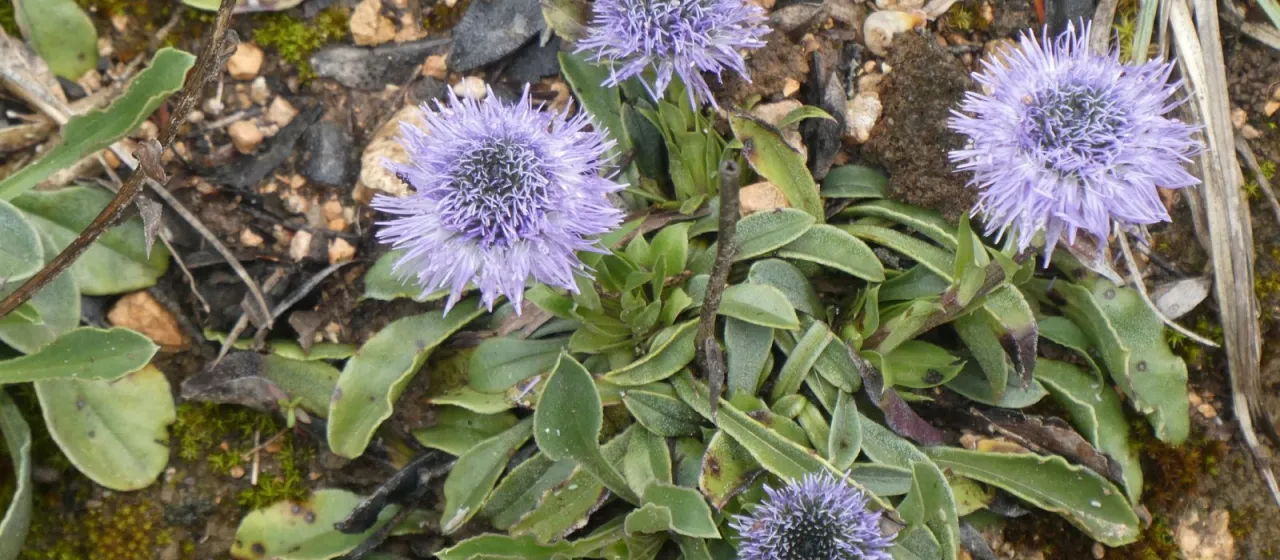
Botanically, Globularia vulgaris is characterized by a basal rosette of leathery, spatulate leaves and distinctively spherical, bright blue to violet inflorescences. The plant features a sturdy root system that helps anchor it in shallow soils. Its growth habit is compact and low-lying, making it an excellent candidate for ground cover in alpine-style gardens.
Cultivation requirements involve providing full sun exposure and gritty, well-draining soil with a neutral to alkaline pH. The plant is drought-tolerant once established but requires protection from excessive moisture during winter months to prevent root rot. Fertilizer application should be moderate, as excessive nitrogen can lead to succulent, weak growth that is more susceptible to environmental stress.
The primary horticultural use of Globularia vulgaris is as an ornamental plant for rock gardens, stone walls, and dry borders. It is highly valued for its long flowering period and low maintenance needs. While it is generally resistant to pests, growers should monitor for aphids in early spring and ensure proper soil aeration to prevent fungal infections that can affect the crown of the plant.
- Growth habit: Low-growing perennial.
- Flower color: Blue to lavender-blue.
- Flowering season: Late spring to early summer.
- Soil preference: Well-draining, calcareous.
- Maintenance: Minimal; requires occasional division every 3–4 years.