
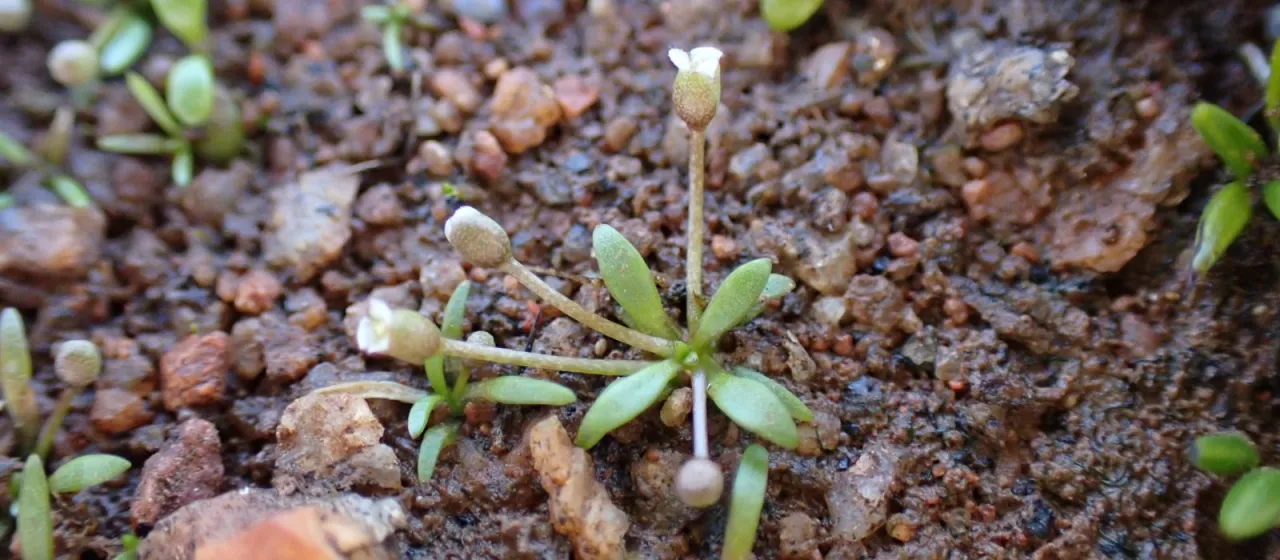
Description
Glossostigma spathulatum is a species of aquatic plant belonging to the Phrymaceae family. Within the context of aquatic horticulture and aquascaping, it is highly valued as a foreground plant, specifically cultivated to create a dense, low-growing green carpet across the substrate of a planted aquarium.
The plant originates from wetlands and coastal areas in Australia and New Zealand. Historically adapted to fluctuating water levels and moist substrates, it has successfully transitioned into a submerged aquatic crop, favored by hobbyists for its ability to create a naturalistic aesthetic that mimics dense lawn-like formations.
Botanically, it features creeping, horizontal stems with small, spatula-shaped leaves that grow in opposite pairs. The plant propagates rapidly through stolons, allowing it to cover large surface areas of the substrate quite efficiently if the environmental conditions are managed to promote healthy vegetative growth.
The cultivation requirements are relatively demanding compared to simpler aquatic flora. Glossostigma requires high-intensity lighting, consistent carbon dioxide (CO2) injection, and a nutrient-rich substrate. Without these intensive inputs, the plant tends to grow vertically and become sparse, failing to form the desired dense mat.
- Water temperature: 20–28°C.
- Water chemistry: Soft to medium-hard water, pH 6.0–7.5.
- Substrate: Fine-grained, nutrient-dense aquatic soil.
- Lighting: High intensity is mandatory.
Typical issues include nutrient deficiencies, specifically iron, which leads to chlorosis and stunted growth. Furthermore, the species is susceptible to algal competition; therefore, maintaining an optimal nitrogen-phosphorus-potassium balance is essential to prevent algae from outcompeting the carpet during its establishment phase.