
Description
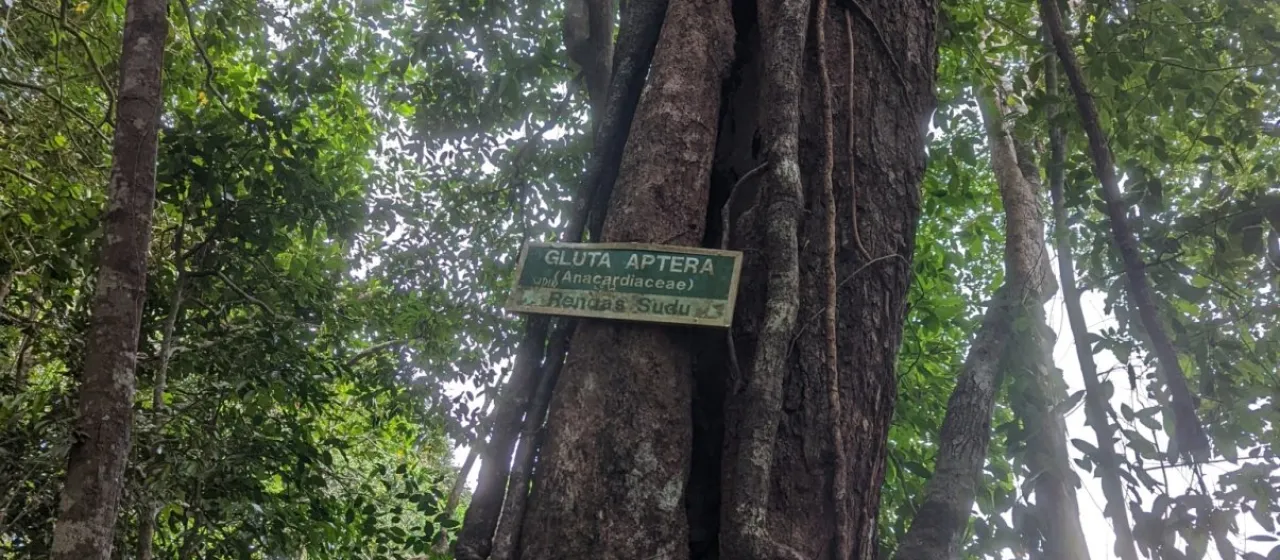
Gluta aptera is a prominent tree species belonging to the Anacardiaceae family. Renowned for its significant presence in tropical forest ecosystems, this evergreen tree is characterized by its large canopy and robust growth habit. It serves as a critical component in local forestry, providing ecological stability in its native regions while contributing to the biodiversity of the lowland rainforests.
Native to Southeast Asia, specifically regions like the Malay Peninsula and Indonesia, Gluta aptera thrives in equatorial climates. It is typically found in primary lowland forests, often thriving near riverbanks or in areas with high annual precipitation. The plant is adapted to high humidity levels and stable temperatures, which are essential for its vigorous vegetative development.
Botanically, Gluta aptera features thick, leathery leaves and a well-structured stem. The tree's root system is adapted to moist, nutrient-rich soils, allowing it to maintain a stable vertical position even in dense forest environments. Reproductive cycles are influenced by seasonal rainfall patterns, with the tree producing specialized inflorescences that attract local pollinating insects.
Cultivation requirements for this species are specific, necessitating deep, well-drained soils and a consistent moisture regime. Agronomic management involves site selection that mimics natural forest conditions, including partial shade for saplings. Standard silvicultural practices for this crop include periodic pruning and monitoring for potential pests or fungal diseases that can proliferate in high-humidity tropical conditions.
The economic utility of Gluta aptera is centered on its valuable timber, often categorized as Rengas. This wood is highly prized for its durability, dense structure, and rich reddish hues, making it a sought-after material for high-end furniture, fine woodworking, and interior paneling. Workers handling the raw timber must exercise caution due to the sap's potential to cause contact dermatitis.