
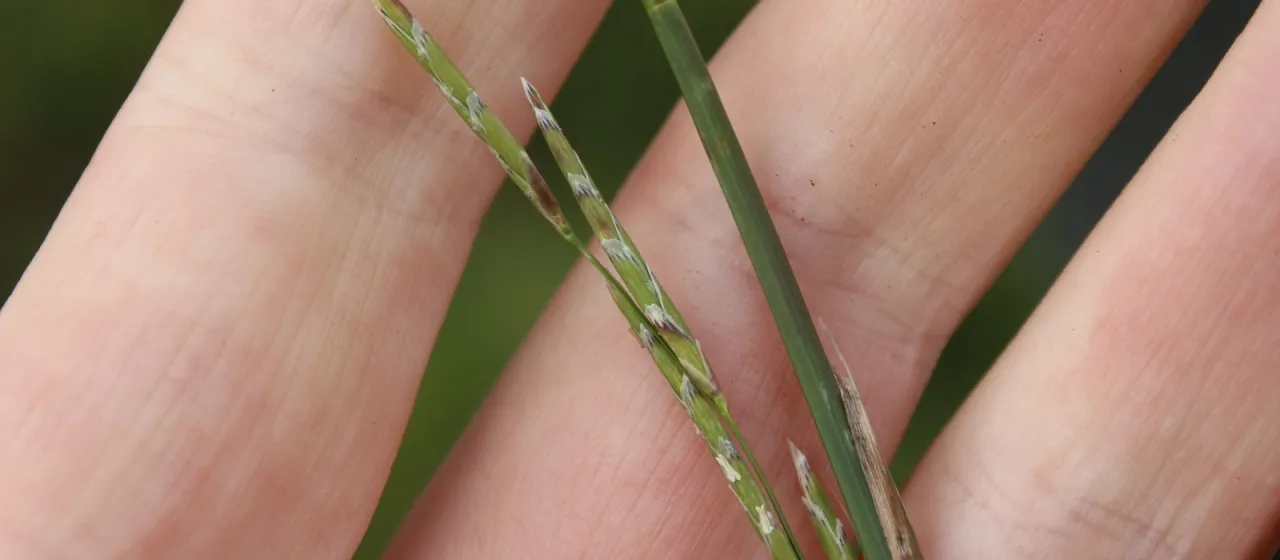
Description
Low sweet-grass (Glyceria declinata) is a perennial herbaceous plant belonging to the grass family (Poaceae). This species is a true hydrophyte, highly specialized for growing in waterlogged conditions where most other agricultural grasses fail to establish or thrive effectively.
The plant is native to Europe and has an expansive natural range spanning from the Mediterranean region to Northern Europe. It is primarily found in wetland habitats, riparian zones, and water-logged meadows. Within agricultural landscapes, it is valued for its ability to stabilize damp, low-lying ground that is prone to seasonal flooding.
Botanically, this grass forms loose tufts with stems that are often decumbent and rooting at the nodes, allowing it to spread across muddy substrates. The leaves are typically broad, smooth, and vibrant green. The inflorescence consists of a lax, nodding panicle, which gives the plant its distinct aesthetic and botanical identity.
Agrotechnical requirements for Glyceria declinata revolve around water management. It thrives in soils with high organic matter content, particularly in silt or peat soils with a shallow water table. While it is not drought-tolerant, it shows exceptional resilience to prolonged water saturation, making it an excellent choice for wet meadow restoration projects.
The primary agricultural uses for low sweet-grass include:
- Serving as a high-quality forage crop for grazing livestock in wetland areas.
- Contribution to soil erosion control along banks of drainage ditches and water bodies.
- Enhancing biodiversity in reclaimed marshland ecosystems.
Regarding pest and disease management, the crop is generally hardy but susceptible to common fungal pathogens like rusts and powdery mildew during humid, stagnant conditions. Integrated pest management involves ensuring adequate airflow through controlled grazing or harvesting, which minimizes the buildup of pests such as grass flies and aphids.