
Description
Lithuanian mannagrass (Glyceria lithuanica) is a perennial grass species belonging to the family Poaceae. It is a specialized crop, highly valued for its ability to thrive in waterlogged conditions and poorly drained soils. Unlike many standard forage crops that suffer from waterlogging, this species demonstrates exceptional resilience in wet habitats.
The native range of this plant covers the forest zones of Northern and Eastern Europe, as well as parts of Siberia. It typically colonizes the edges of lakes, swamps, and moist forest meadows. In agricultural contexts, it is intentionally cultivated in areas where soil moisture levels prevent the establishment of typical meadow grasses like timothy or clover.
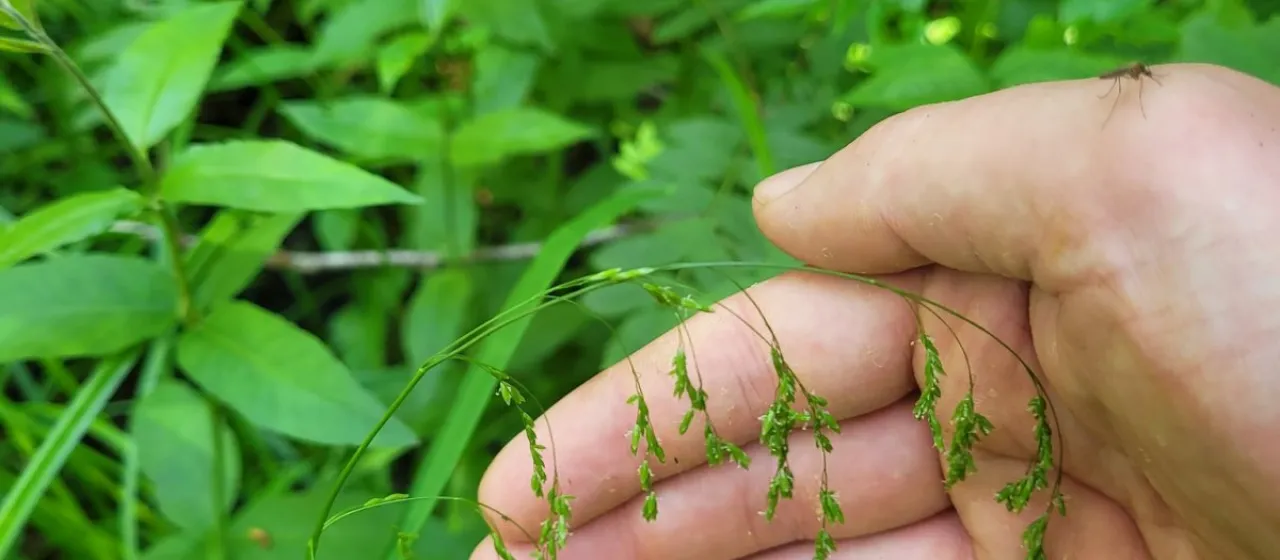
The botanical structure of Glyceria lithuanica is characterized by robust, erect stems that can reach over a meter in height. The foliage is abundant, and the root system is well-developed to anchor the plant in loose, organic-rich substrates. The panicle-type inflorescence is distinct and produces a high yield of viable seeds, facilitating both self-seeding and mechanical propagation.
The agrotechnology for this crop requires a focus on soil moisture management and site selection. While it tolerates high water tables, it benefits significantly from periodic fertilization, particularly with nitrogen to promote leaf development. Weeding during the establishment phase is essential as seedlings grow relatively slowly until their root systems are fully matured.
Lithuanian mannagrass is primarily used for hay production and pasture grazing in wetlands. It provides high nutritional value when harvested at the vegetative stage. Common agricultural challenges include rust diseases and localized infestations of stem-boring insects. Farmers are advised to perform regular monitoring and employ integrated pest management strategies to ensure high yields and sward longevity.