
Description
Glycine canescens, commonly known as the grey soybean, is a perennial herbaceous plant belonging to the Fabaceae family. As a wild relative of the domesticated soybean (Glycine max), it represents a vital genetic resource for plant breeders. This species is native to Australia and is recognized for its unique ability to survive in environments where traditional crops struggle to thrive.
The geographic distribution of this species is primarily focused on the Australian continent. It occupies various habitats, ranging from grasslands to open woodlands. Its evolutionary history has endowed it with specific traits, such as increased tolerance to high temperatures and water scarcity, which are subjects of ongoing investigation in the field of crop science and botany.
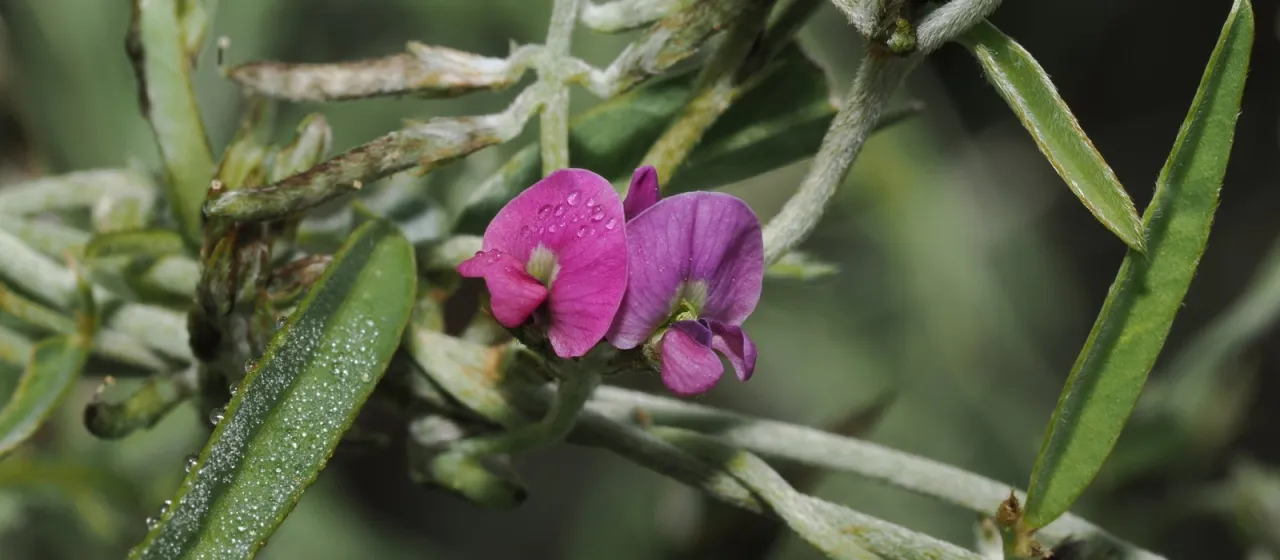
Botanically, Glycine canescens is characterized by its distinctive greyish-green pubescence covering the stems and trifoliate leaves, a feature that provides protection against excessive solar radiation and moisture loss. The flowers are typically small, purple to lavender, and emerge in clusters. The plant maintains a robust root structure that excels in nitrogen fixation, contributing to soil health.
Regarding cultivation requirements, the plant prefers well-drained soil and high levels of sunlight. In controlled research environments, success in growing this species depends on mimicking its natural dormancy cycles and ensuring proper soil aeration. The plant is notably resilient, exhibiting fewer susceptibility issues to standard soybean pathogens, which makes it a preferred model for stress-tolerance studies.
The primary utility of this crop is its potential for genetic improvement. By incorporating genes from Glycine canescens into commercial varieties, researchers aim to develop "climate-ready" soybeans. Furthermore, the species is studied for its chemical composition and its role in ecosystem restoration, as it effectively prevents erosion and enhances soil nitrogen content in its native habitats.
- Valuable source of drought-tolerance genes.
- High compatibility with commercial soybean breeding programs.
- Naturally occurring resistance to various soil-borne pathogens.
- Deep-rooted system facilitating improved soil structure.
- High adaptive capacity to fluctuating environmental conditions.