
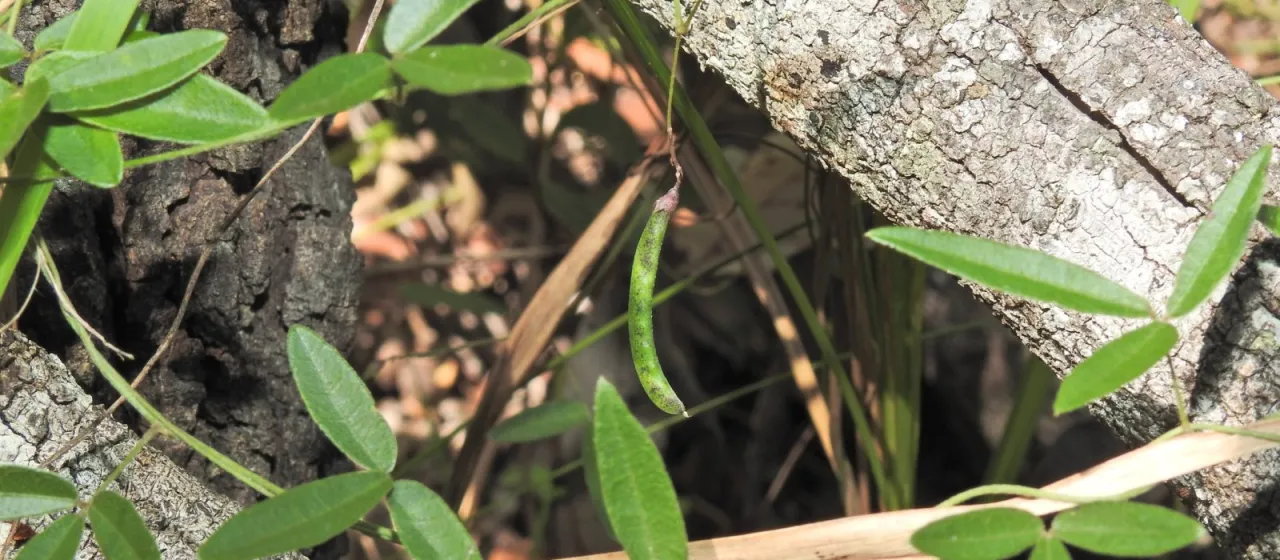
Description
Glycine cyrtoloba is a perennial herbaceous plant belonging to the Fabaceae family and the genus Glycine. It is recognized primarily as a wild relative of the domesticated soybean, playing a critical role in the botanical exploration of the genus.
This species is native to Australia, where it occupies various habitats ranging from grasslands to open forest areas. Its geographical distribution reflects a high level of environmental plasticity, allowing it to thrive in diverse Australian soils.
Botanically, the plant is characterized by its distinct leaf shape and the development of stolons, which facilitate vegetative spread. These morphological adaptations are essential for its survival in competitive wild ecosystems and contribute to its resilient growth habit.
Regarding cultivation requirements, Glycine cyrtoloba prefers well-drained soils and demonstrates a notable tolerance for moderate drought conditions. While it is not traditionally farmed on a mass scale, its growth in experimental plots requires careful monitoring of soil moisture and pH levels.
The primary agricultural use of this plant is as a genetic resource. Researchers utilize Glycine cyrtoloba to identify and incorporate genes related to disease resistance and environmental stress tolerance into common commercial soybean lines, thereby improving crop productivity.
- Stoloniferous growth habit
- Genetic reservoir for breeders
- Resilience to climatic stress
- Symbiotic nitrogen fixation