
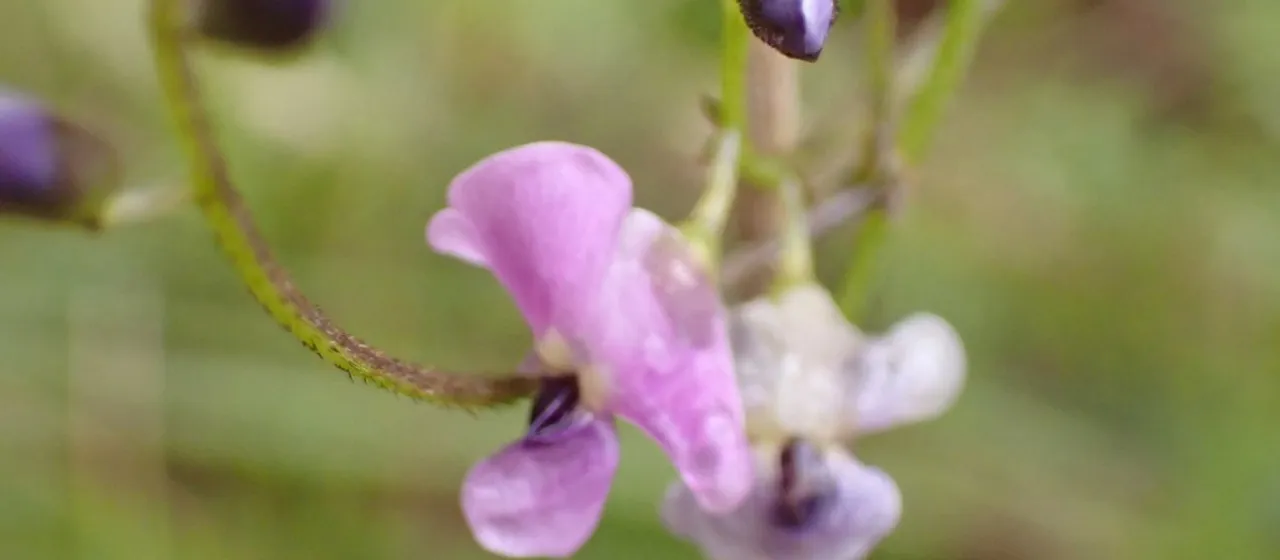
Description
Glycine microphylla is a distinct species belonging to the Fabaceae family, serving as a wild relative to the commercially important Glycine max (soybean). Originating from Australia, this species is highly valued in the scientific community for its robust genetic makeup, which offers significant potential for enhancing the resilience of modern soybean cultivars.
The plant thrives in diverse environmental conditions across its native range. As a member of the legume family, it exhibits a symbiotic relationship with nitrogen-fixing bacteria within its root nodules, playing a crucial role in soil nitrogen cycling. This biological process makes it an essential part of the local ecosystem's health and sustainability.
Botanically, Glycine microphylla is characterized by its small, specialized leaves and a sprawling growth habit, which allows it to compete effectively in native plant communities. Its structure is finely tuned to manage water loss, making it highly efficient in regions where rainfall patterns are intermittent or scarce. This evolutionary adaptation is a focal point for researchers studying stress tolerance in crops.
In terms of agricultural requirements, the species is generally undemanding but thrives best in well-aerated, fertile soils with sufficient solar exposure. Unlike highly domesticated crops, it does not require intensive fertilization due to its ability to fix atmospheric nitrogen. However, successful observation or cultivation requires careful monitoring of drainage to avoid root hypoxia, common in heavy clay soils.
The primary use of Glycine microphylla today is in crop improvement programs. Plant breeders utilize its genetic diversity to introduce desirable traits—such as increased drought tolerance, resistance to pests, and adaptability to poor soil quality—into commercial soybean lines. While not currently used for large-scale grain production, its role as a reservoir of beneficial genes is vital for future food security.
- Symbiotic nitrogen fixation
- Source of drought-tolerant genes
- Adaptation to various environmental stresses
- Importance for genetic diversity in pulses