
Description
Glycine uncinata is a perennial herbaceous plant belonging to the Fabaceae family. As a wild relative of the commercial soybean, this species is of significant interest to researchers and breeders looking to identify specific traits, such as drought tolerance or resistance to certain pathogens, that can be integrated into modern cultivars.
The plant originates from the tropical and subtropical regions of Africa. Its natural distribution is primarily found within savannas and woodland edges, where it has evolved to compete with local vegetation. This adaptation to varied environmental conditions makes it a subject of interest for grassland management and range restoration.
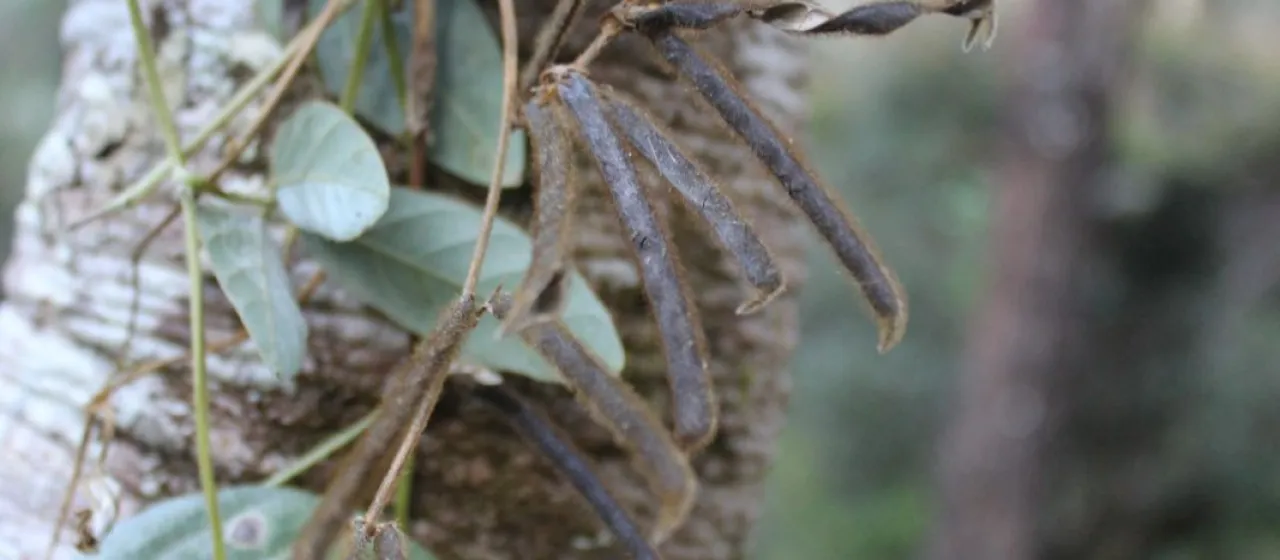
Botanically, Glycine uncinata is characterized by its vining growth habit and trifoliate leaves. The species is aptly named for the hooked hairs found on its seed pods, which serve as an ecological mechanism for seed dispersal by attaching to the fur of animals. The stems are typically covered in fine trichomes.
Regarding climate and soil, the plant requires warm temperatures and thrives in well-drained soil environments. It is not cold-hardy, making it unsuitable for cultivation in regions with severe frosts. Successful agronomic practice involves ensuring adequate phosphorus and potassium levels in the soil and, most importantly, inoculation with appropriate rhizobial bacteria to facilitate nitrogen fixation.
The primary use for this plant lies in its potential as a forage crop and a nitrogen-fixing component in agroforestry systems. However, like many legumes, it is susceptible to various pests and diseases, particularly fungal blight in high-humidity areas and pod-boring insects, which can significantly impact seed yield if not managed with proper cultural practices.