
Description
Glycyrrhiza astragalina is a perennial herbaceous plant belonging to the Fabaceae family. As a distinct species within the genus, it shares the characteristic traits of liquorice plants while exhibiting unique adaptations that allow it to thrive in harsh, arid, and semi-desert environments.
The plant originates from the arid regions of Central Asia, where it has evolved to survive in soils with limited moisture. Its natural habitat includes slopes and sandy terrains, which makes it a resilient candidate for landscape restoration and potential agricultural utilization in challenging climates where traditional crops struggle to produce viable yields.
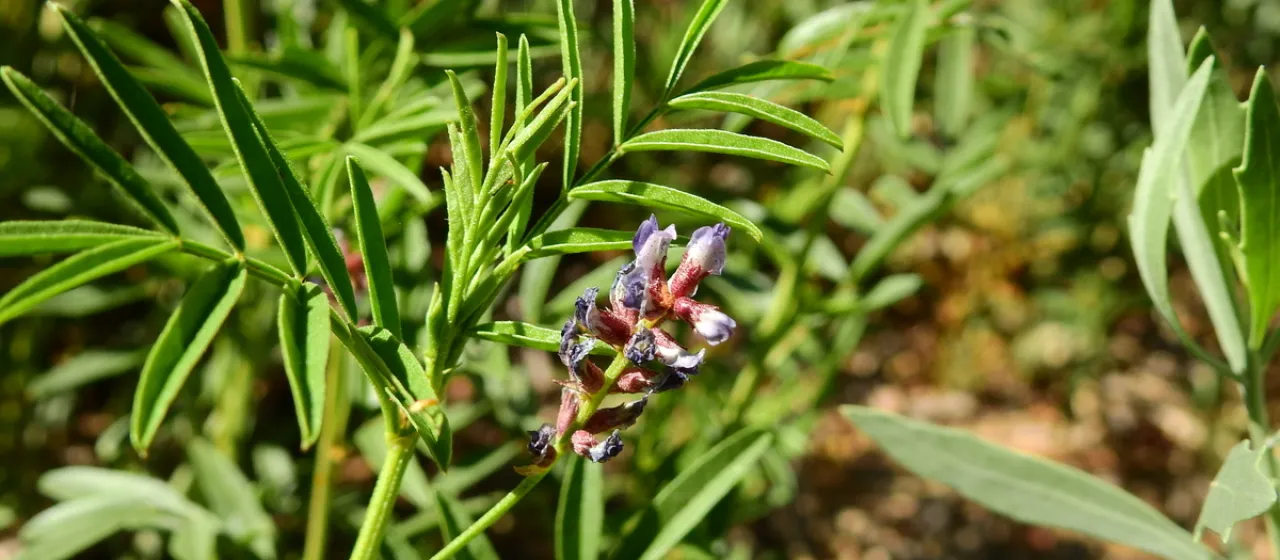
Botanically, it is identified by its deep taproot system, which is essential for survival in dry climates. The plant features pinnate leaves and racemose inflorescences typical of the bean family. The reproductive cycle leads to the formation of pods, and the plant often displays high environmental plasticity, allowing it to colonize disturbed areas effectively.
Cultivation practices for this species focus on providing well-drained, porous soil to prevent root rot. It requires significant solar radiation and is highly tolerant to heat. Agricultural management involves careful weed control during the establishment phase, as the seedling growth rate is relatively moderate. It thrives in soils with low organic content but requires sufficient mineral aeration.
In terms of хозяйственное (economic) use, the plant is valued for its secondary metabolites found within the roots, which have pharmaceutical significance. It is also utilized in environmental management as a nitrogen-fixing species, helping to improve soil fertility and preventing wind erosion in arid landscapes. Proper harvest timing is crucial to maximize the concentration of active compounds.
- Excellent adaptation to arid and semi-arid conditions.
- Requires minimal irrigation once established.
- High potential for soil stabilization and reclamation.
- Susceptible to typical legume pests such as aphids and specific beetles.