
Description
American licorice (Glycyrrhiza lepidota) is a perennial herbaceous plant belonging to the Fabaceae family. It is a hardy species widely recognized for its robust root system and its potential as a medicinal and soil-conserving crop, sharing many functional similarities with its more famous counterpart, Glycyrrhiza glabra.
The plant is native to North America, where it thrives in diverse environments ranging from open prairies to riparian zones. Its natural distribution spans across large parts of the United States and Canada, reflecting its remarkable ability to endure varied weather patterns, including cold winters and hot, dry summers characteristic of the Great Plains.
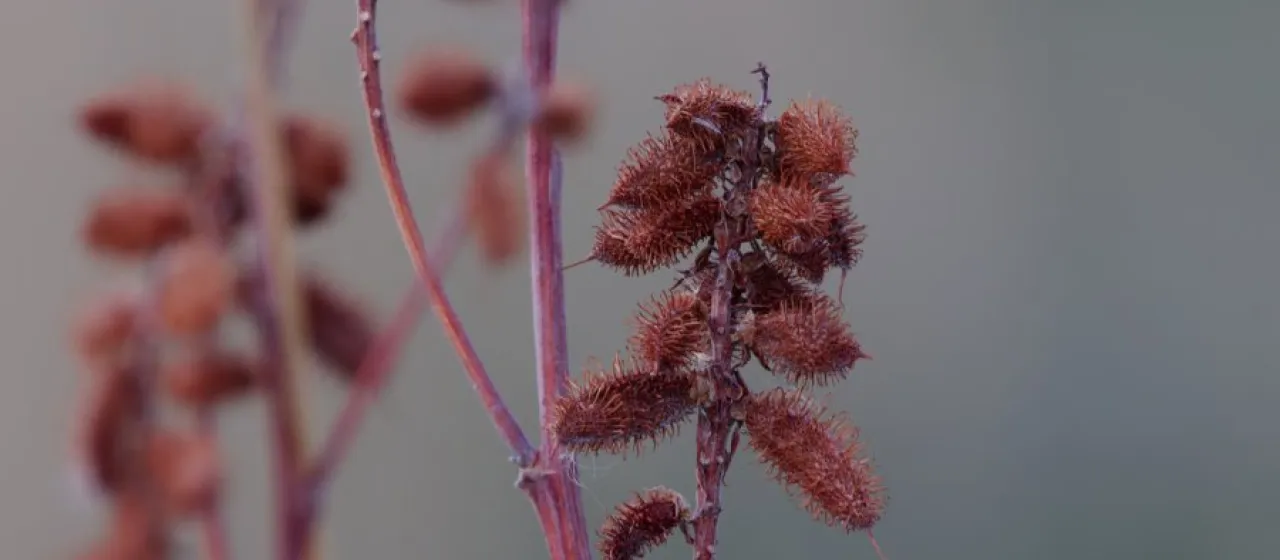
Botanically, American licorice is distinguished by its erect, scaly stems and pinnately compound leaves. Its most significant feature is its aggressive, creeping rhizome system, which allows it to form dense colonies. The flowers are typically white to pale yellow, appearing in spikes, followed by brown bur-like seed pods that facilitate dispersal by attaching to animals.
Cultivation requires well-drained, fertile soil, ideally with a neutral to slightly alkaline pH. While the plant is drought-tolerant once established, providing consistent moisture during the initial growing season is crucial for root development. Propagation is most efficiently achieved through rhizome divisions, as seeds often possess a hard coat that requires scarification to ensure uniform germination.
The primary economic use of this plant is in the pharmaceutical industry due to the glycyrrhizin content in its roots. Additionally, it serves as an excellent candidate for land reclamation projects and soil stabilization in arid regions. Growers should be vigilant against pests like spider mites and root rot pathogens, which can thrive if the soil drainage is inadequate or if plant density is too high.