
Description
Gmelina arborea Roxb. is a fast-growing deciduous tree belonging to the Lamiaceae family. Known globally for its rapid growth rate and high-quality timber, this species has become a staple in tropical silviculture, particularly in regions where quick reforestation and industrial wood production are priorities.
The native distribution of Gmelina arborea covers a vast area in Southeast Asia, including countries like India, Myanmar, and Vietnam. Due to its adaptability, it has been successfully introduced to various parts of Africa, Brazil, and Central America, where it thrives in plantations established for commercial wood production and environmental restoration projects.
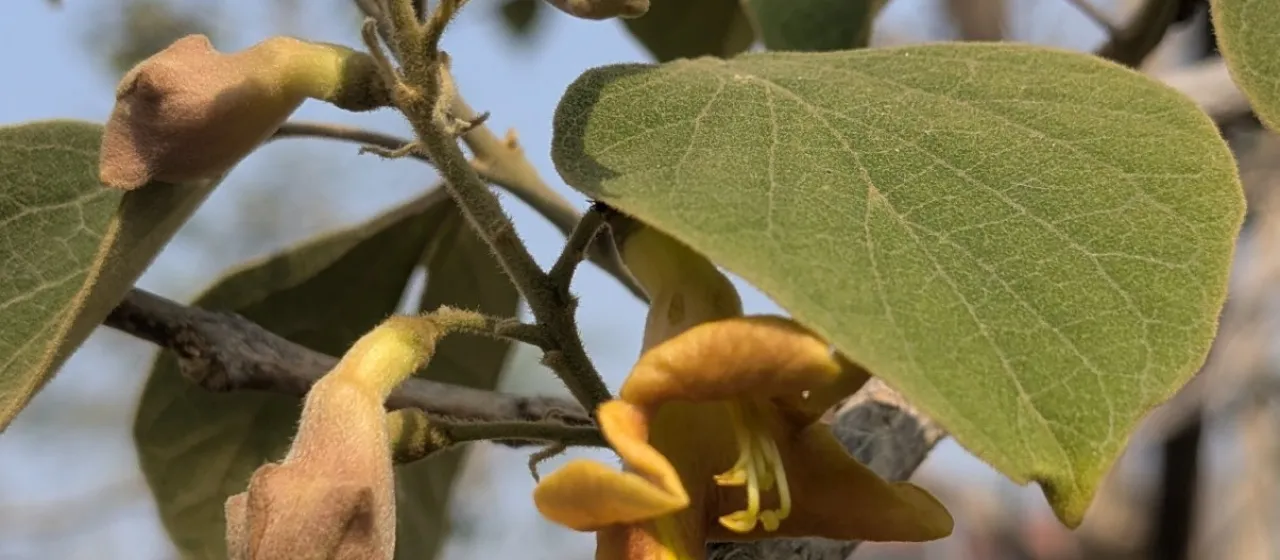
Botanically, it is a medium to large tree, reaching heights of 30 meters with a spreading crown. It possesses cordate, simple leaves and produces yellow-brown tubular flowers. Its fruit is a smooth, fleshy drupe that turns yellow upon maturity, housing seeds that are easily disseminated by birds and mammals in its native habitat.
The tree requires a tropical climate with high temperatures and significant rainfall to achieve its maximum growth potential. It thrives in fertile, well-drained loamy soils but is highly sensitive to waterlogging. Standard silvicultural practices involve site preparation, early weed control, and systematic thinning to ensure that individual trees have enough space and light to develop.
The economic value of Gmelina arborea is diverse and significant for local and international markets:
- Primary raw material for the pulp and paper industry.
- Valuable timber for furniture making, joinery, and cabinets.
- Utilization in the manufacture of plywood and light construction.
- Medicinal properties of the roots and bark used in traditional healing practices.
Despite its robustness, Gmelina plantations can be affected by various pests and diseases. Common issues include foliage-feeding insects and various fungal leaf spots that can impede growth in young stands. Integrated pest management, including regular monitoring and the selection of resistant cultivars, is essential for maintaining the health and yield of the forest stand.