
Description
Gmelina asiatica is a perennial evergreen shrub or small tree belonging to the Lamiaceae family. Often referred to as the Asiatic Gmelina, this plant is recognized for its ornamental yellow flowers and its significant role in traditional medicine within its native tropical environments.
Originating from the tropical regions of India, Sri Lanka, and Southeast Asia, this species thrives in warm, humid climates. It is typically found in lowland forests and along scrublands, where it adapts well to varying environmental conditions, provided there is sufficient sunlight and consistent warmth.
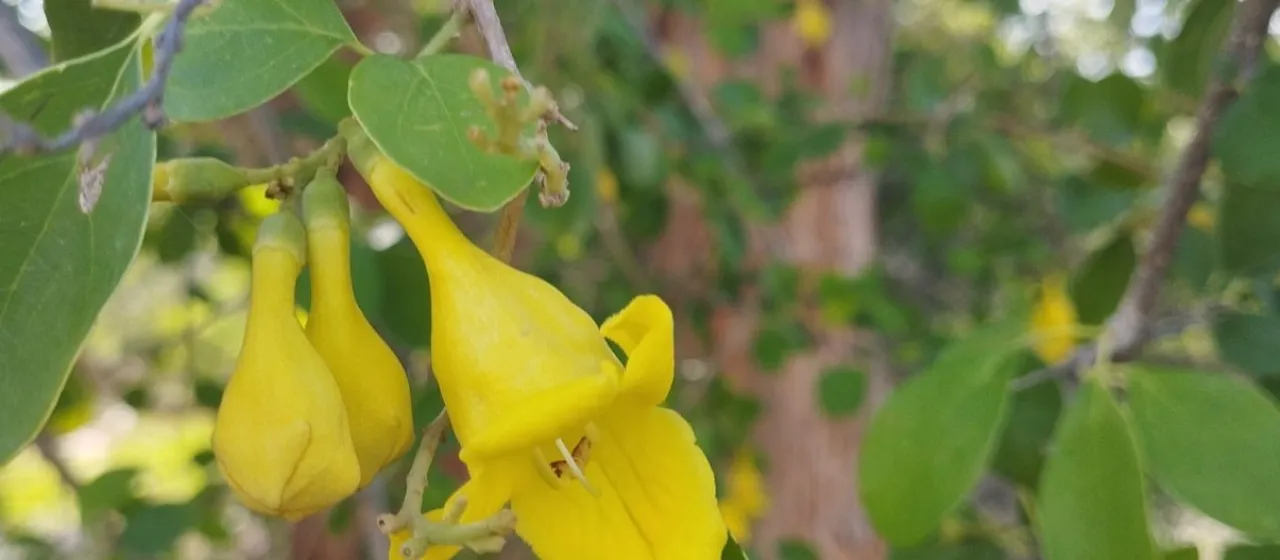
Botanically, the plant is characterized by its woody, often thorny branches and ovate, glossy leaves. The inflorescences consist of large, showy yellow flowers that bloom periodically throughout the year. After pollination, the plant produces fleshy, drupe-like fruits that are distinctive to the species and serve as a means of seed dispersal in its natural habitat.
When cultivating Gmelina asiatica, it is essential to ensure well-drained, nutrient-rich soil. The plant prefers full sun exposure to maintain its vigorous growth and blooming cycle. Maintenance involves routine pruning to manage its shrubby structure and periodic watering, as the species does not tolerate waterlogging but requires moisture during the growth phase.
The economic value of this plant lies primarily in its medicinal extracts, which contain various phytochemicals used for therapeutic purposes. While generally resilient, the plant may face pressure from common garden pests such as mites and aphids, which require standard integrated pest management techniques to ensure plant health and longevity.