
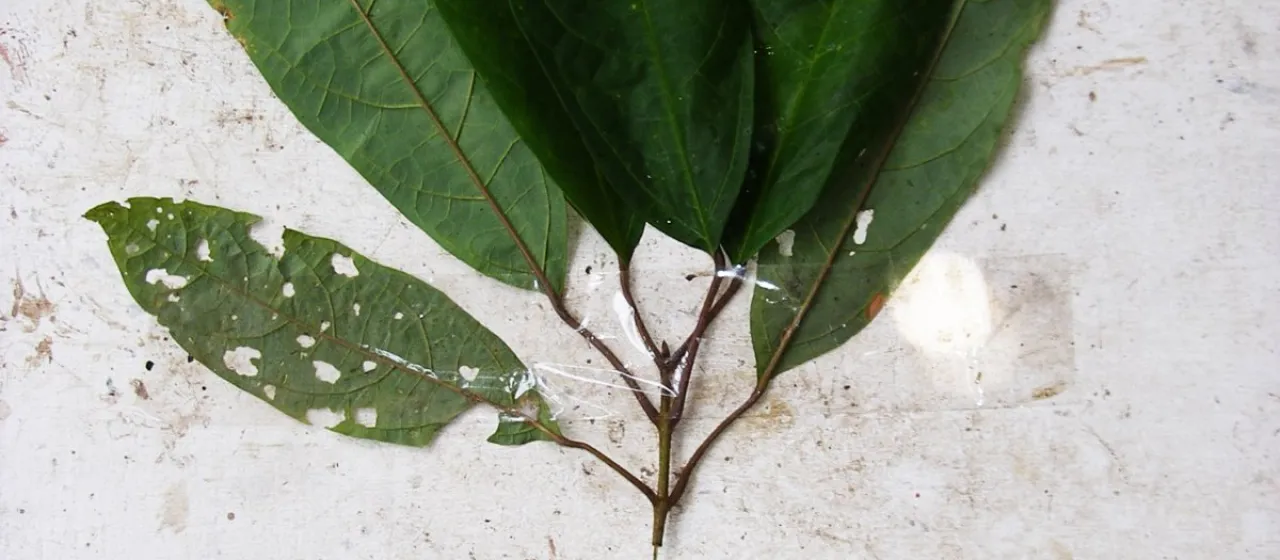
Description
Gmelina moluccana is a significant tree species belonging to the Lamiaceae family, widely recognized for its rapid growth rate and high utility in tropical plantation forestry. This tree is an essential asset in regions where high-yield timber production is required, providing a sustainable source of raw material for various industrial applications.
The species is native to the tropical regions of Southeast Asia, specifically Indonesia, the Philippines, and Papua New Guinea. It thrives in humid tropical environments, where high temperatures and regular rainfall support its ability to quickly establish itself in primary and secondary forest ecosystems as well as in controlled plantation settings.
Botanically, this tree is characterized by a straight stem and an open, spreading crown as it matures. Its leaves provide a large surface area for efficient photosynthesis, allowing the plant to maximize nutrient absorption and growth efficiency. The reproductive structures are adapted to tropical pollinators, ensuring the spread of seeds and the natural regeneration of the species in suitable habitats.
Cultivation requirements involve specific soil conditions, typically favoring deep, fertile, and well-drained soils. The plant is highly sensitive to waterlogging and requires significant amounts of solar radiation for optimal development. Agrotechnical practices often involve careful spacing to minimize competition for nutrients and light, as well as regular maintenance of the understory to prevent weed encroachment during the critical establishment years.
Primary industrial applications include:
- Production of light timber for furniture and cabinetry.
- Manufacturing of pulp for the paper and paperboard industry.
- Use in reforestation projects aimed at rapid ecosystem restoration.
- Biomass production in sustainable forestry initiatives.
Regarding health management, Gmelina moluccana can be susceptible to various fungal pathogens and leaf-eating insects. To mitigate these risks, professional foresters emphasize the importance of selecting resistant planting stocks, monitoring plantation health, and ensuring appropriate nutrient management to boost the natural vigor of the trees, thus reducing the reliance on chemical interventions.