
Description
Gnaphalium polycaulon is a herbaceous annual plant belonging to the Asteraceae family. Known for its distinct morphological characteristics, it is often classified as a weed in agricultural settings, although it possesses various biological properties that make it a subject of interest in ethnobotanical studies.
The origin and natural distribution of this species are primarily centered in the tropical and subtropical regions of Asia, Africa, and Australia. The plant is typically found in moist environments, including riverbanks, paddy fields, and disturbed land areas where it can readily colonize damp, open soil surfaces.
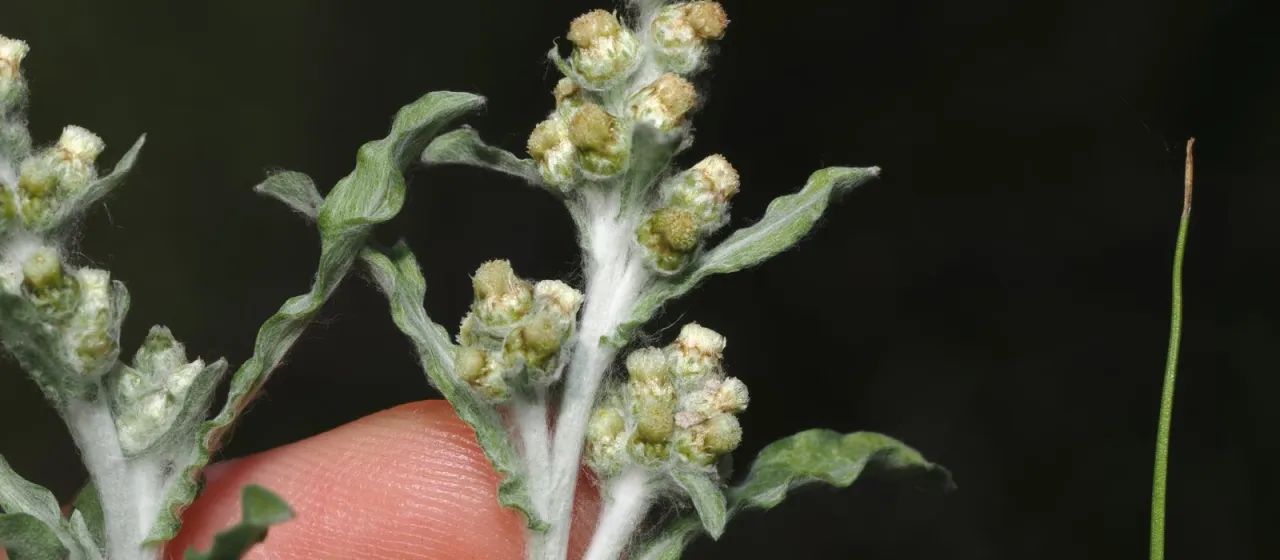
Botanically, Gnaphalium polycaulon is characterized by its densely woolly or tomentose stems and leaves, which give the plant a silvery appearance. The leaves are generally spatulate or lanceolate, arranged in an alternate pattern. Its small, yellow-toned flower heads are clustered into dense, spike-like or capitate inflorescences at the apex of the stems.
In terms of growth requirements, this species thrives in warm climates with high humidity levels. It prefers moist, loamy soil and exhibits a strong resilience to fluctuating moisture regimes. For agricultural management, control typically involves manual weeding or the use of crop rotation cycles to suppress its growth during the early developmental stages of major crops.
Regarding its economic use, the plant is not widely cultivated for large-scale agricultural production. However, it holds significance in traditional medicine systems, where local communities utilize its dried aerial parts for their purported anti-inflammatory and antiseptic properties. Its main agricultural impact is related to its presence as a competitor in cultivated fields, necessitating consistent monitoring.