
Description
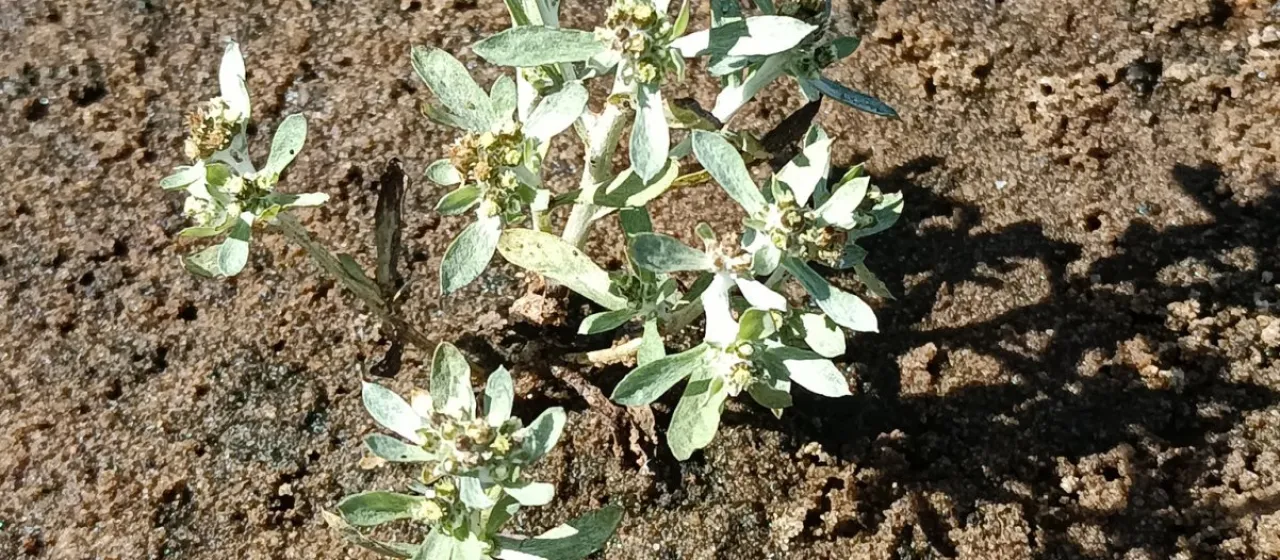
Marsh cudweed (Gnaphalium uliginosum), a member of the Asteraceae family, is a small annual herbaceous plant valued for its therapeutic properties. It is characterized by its low-growing habit, typically reaching a height of 5–20 cm, and its densely woolly stems, which contribute to its resilience in damp, challenging environments.
The plant originates from the temperate regions of the Northern Hemisphere, where it commonly thrives in moist soils. It is frequently found on riverbanks, near wetland edges, and in areas with fluctuating water tables. Its natural distribution is widespread across Europe and Asia, making it an adaptable species within its ecological niche.
Agronomically, this crop requires sites with consistently high soil moisture and rich, loamy textures. It thrives in open, sunny environments where it can maximize photosynthesis. While it can be considered a weed in some farming contexts, its targeted cultivation involves maintaining specific hydro-regimes and ensuring that the soil does not dry out during the critical germination phase.
The primary economic use of Marsh cudweed is in the pharmaceutical industry. The dried aerial parts of the plant are utilized for their hypotensive and anti-inflammatory properties, specifically in treating hypertension and gastric conditions. The harvest is strictly timed with the peak of the flowering stage, which ensures the highest concentration of flavonoids and essential oils.
Cultivation challenges include managing fungal diseases like powdery mildew, which are common in high-humidity habitats. Preventive measures focus on maintaining appropriate plant density to ensure sufficient airflow. Although hardy, the crop requires careful monitoring of irrigation levels, especially during prolonged heatwaves, to prevent irreversible damage to the root system.