Gomesa flexuosa
Gomesa flexuosa (hort. Lodd.) M. W. Chase & N. H. Williams
Description
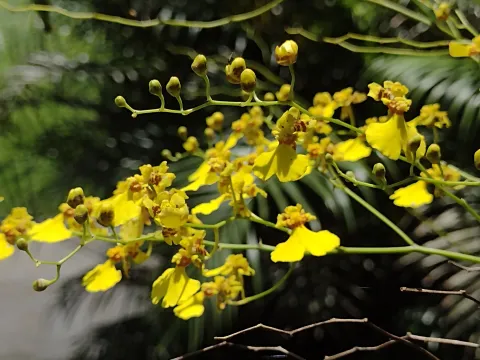
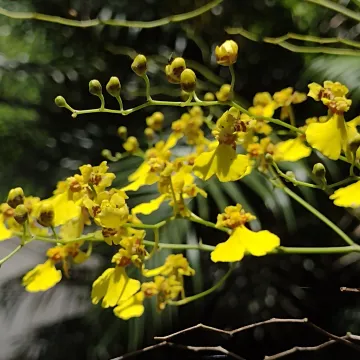
Gomesa flexuosa is a fascinating epiphytic species belonging to the Orchidaceae family. Formerly associated with the genus Oncidium, this plant has been reclassified to Gomesa due to recent taxonomic research. It is widely recognized among botanical enthusiasts for its graceful arching inflorescences and the delicate, intricate structure of its flowers, which add significant aesthetic value to any collection.
The plant originates from the tropical rainforests of South America, with its primary distribution centered in Brazil. As an epiphyte, it naturally thrives in high-humidity environments, anchoring itself to tree branches or moss-covered surfaces. This aerial lifestyle allows the plant to efficiently capture moisture and essential nutrients from the humid atmosphere and decaying organic matter.
Botanically, Gomesa flexuosa features sympodial growth, characterized by the development of pseudobulbs that store water and nutrients, enabling the plant to survive intermittent dry periods. The leaves are relatively narrow, leathery, and dark green. The inflorescence usually bears numerous small, fragrant flowers that exhibit a distinctive, complex lip structure and vibrant coloration.
Cultivation requires specific environmental conditions that mirror its natural habitat. Key factors include high humidity, bright but diffused sunlight, and excellent air circulation around the root system. The temperature should be maintained within a moderate range, ensuring a distinct diurnal drop in temperature to stimulate blooming. Using a well-draining, breathable substrate is critical for preventing root rot.
Maintaining the health of Gomesa flexuosa involves constant monitoring for common orchid pests such as spider mites, aphids, and scale insects. Diseases, particularly fungal pathogens, are often associated with stagnant water and poor ventilation. Providing consistent care, including appropriate fertilization and a strict watering schedule, is essential to ensure the longevity and vitality of this delicate ornamental crop.
Photo gallery