
Description
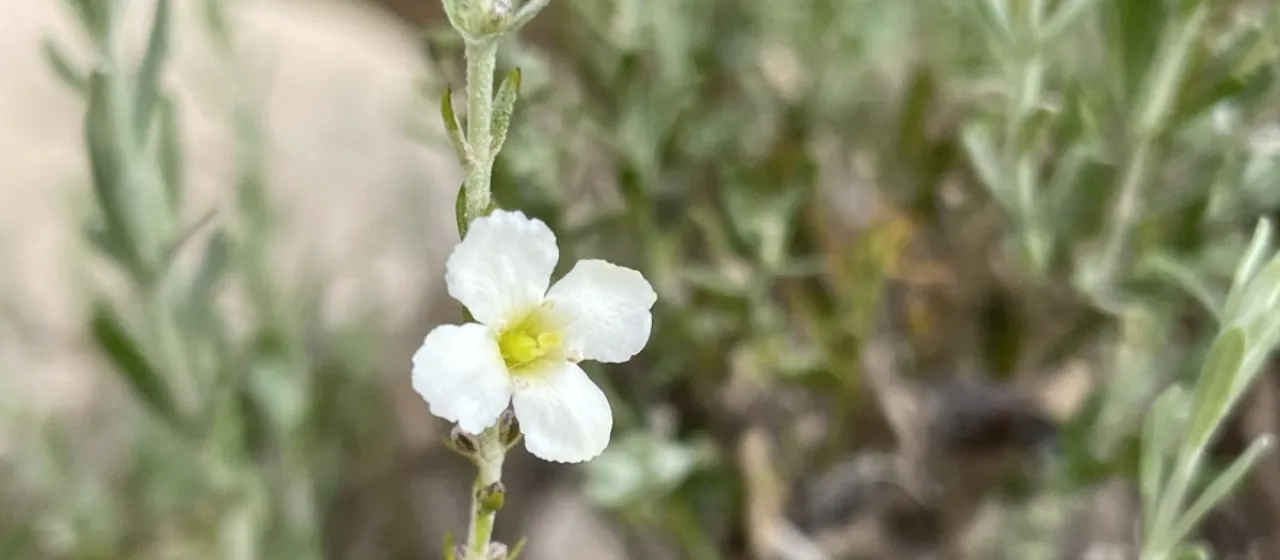
Gomphostigma virgatum, commonly known as the river bush, is a perennial semi-shrub belonging to the Scrophulariaceae family. This plant is recognized for its slender, erect growth habit and its unique ability to thrive in riparian zones, making it an excellent candidate for specific ecological and ornamental applications.
Native to Southern Africa, this species is typically found along riverbanks and rocky stream beds. Its natural habitat dictates its physiological requirements, allowing it to adapt to fluctuating moisture levels and soil compositions that would be challenging for many other ornamental shrubs.
Botanically, the plant is characterized by its narrow, silvery-green leaves and long, flexible stems that appear rod-like. The plant produces dense terminal racemes of small, fragrant white or pale mauve flowers. A mature shrub usually reaches a height of 1 to 2 meters, maintaining a distinct vertical profile throughout the growing season.
The cultivation of Gomphostigma virgatum requires full sun exposure and well-draining, yet moisture-retentive soil. While it appreciates constant moisture, it displays remarkable resilience to short periods of drought once the root system is established. Regular pruning is a crucial management practice, as it prevents the plant from becoming leggy and encourages a denser, more vigorous habit.
- Thrives in full sun conditions.
- Adaptable to moist, waterlogged soil.
- Requires annual pruning to maintain shape.
- Easily propagated via cuttings or seeds.
The primary economic and horticultural use of this plant is in landscape design, particularly in rain gardens, pond surrounds, and wetland restoration projects. The species is generally resistant to most common pests and diseases, although waterlogged conditions coupled with poor drainage may occasionally lead to root rot if the soil environment becomes excessively stagnant.