
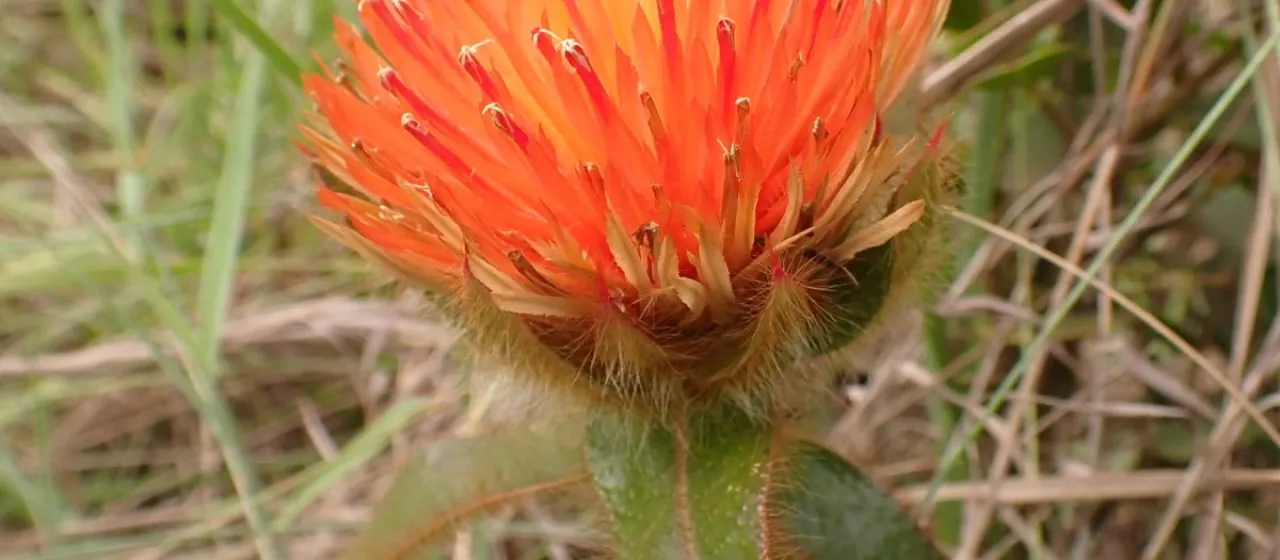
Description
Gomphrena officinalis is a herbaceous perennial plant belonging to the Amaranthaceae family. Recognized for its pharmacological properties, this species is gaining traction as a specialized agricultural crop, particularly in regions where traditional herbal medicine and botanical research are highly valued.
The plant originates from the tropical and subtropical zones of South America, specifically Brazil. Throughout its evolution, the plant has adapted to diverse environments, primarily open grasslands and arid regions, which explains its inherent resilience to heat and high solar radiation.
Botanically, Gomphrena officinalis is characterized by its distinct, clover-like flower heads and pubescent, lanceolate leaves. Its growth habit is typically bushy and upright, supported by a sturdy root system that helps the plant endure erratic rainfall patterns and periods of drought in its native habitat.
To ensure optimal yields, the crop requires well-drained, sandy-loam soils with moderate fertility. Cultivation techniques should focus on full-sun exposure and strictly managed irrigation to avoid water stagnation, which is the primary cause of root rot. Propagation is usually achieved through seeds, which require specific temperature thresholds to germinate effectively.
Economically, the plant is primarily harvested for its therapeutic phytochemicals, including various flavonoids and antioxidants. Beyond its medicinal applications, the crop is increasingly used in the floral industry as a high-quality everlasting flower, as the dried blooms retain their structure and color for extended periods.
- High requirement for direct sunlight
- Requirement for well-drained soil substrates
- Vulnerability to fungal pathogens in high humidity
- Moderate nutritional needs during the vegetative phase