
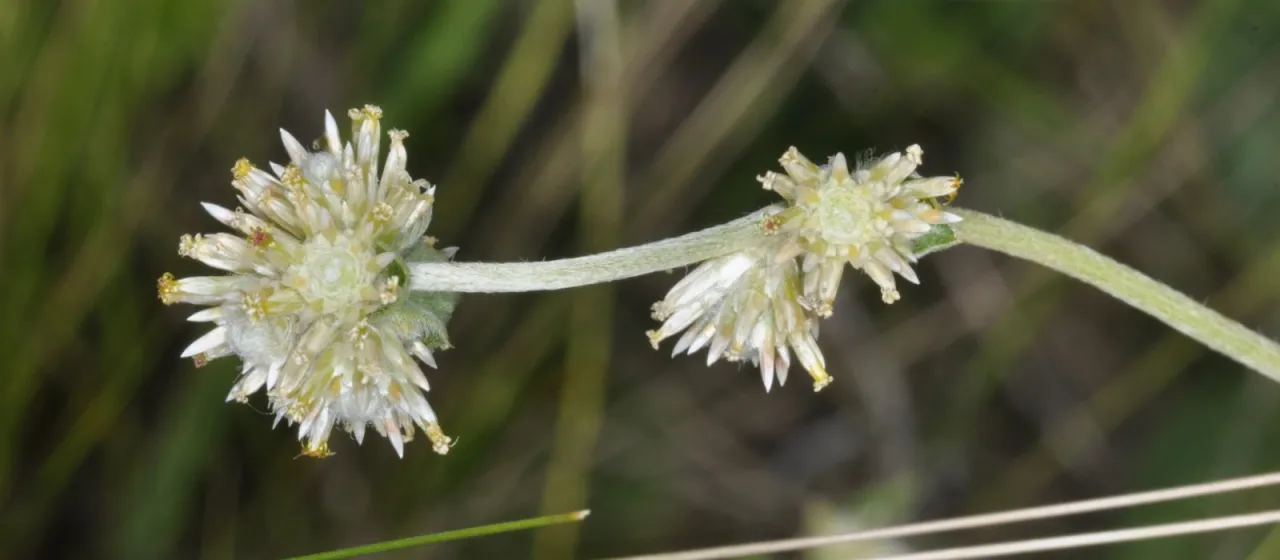
Description
Gomphrena perennis is a herbaceous perennial plant belonging to the Amaranthaceae family. Known for its structural resilience and unique inflorescences, this species is closely related to the more common globe amaranth. While native to warmer climates, it is cultivated worldwide, often treated as an annual in regions where winter frost poses a significant threat to its survival.
The origin of this species is primarily traced back to South America, where it thrives in open, sunny grasslands and tropical margins. Its natural environment has shaped its high tolerance for intense light and its ability to adapt to varying soil moisture levels, making it a robust candidate for gardens situated in sunny, well-draining locations.
Botanically, the plant features pubescent foliage and stem structures that support dense, clover-like flower heads. The "flowers" themselves are actually modified, papery bracts that protect the true tiny blossoms. These bracts retain their structural integrity and vibrant pigmentation even after being cut and dried, establishing the plant's reputation as a premium choice for dried floral arrangements.
Regarding agrotechnical requirements, Gomphrena perennis demands a site with full sun exposure and well-aerated, fertile soil. It performs best in substrates that prevent waterlogging, as the roots are susceptible to decay in heavy, compacted soils. Maintenance includes consistent irrigation during the establishment phase and supplemental fertilizing with phosphorus-rich nutrients to enhance bloom quality.
The primary economic use of this plant is in the ornamental horticulture sector, specifically for xeriscaping and the production of dried floral craft items. Growers must remain vigilant against typical horticultural challenges, which include:
- Aphid infestations that cluster on succulent new growth.
- Root rot caused by poor soil drainage and stagnant moisture.
- Powdery mildew development during periods of high humidity and poor circulation.