Goniolimon elatum
Goniolimon elatum (Fisch. ex Spreng.) Boiss.
Description
Goniolimon elatum is a perennial herbaceous plant belonging to the Plumbaginaceae family. Renowned for its structural beauty, it is a highly valued species in modern gardening, particularly for xeriscaping, rock gardens, and as a staple crop for the dried flower industry due to its enduring inflorescences.
The plant originates from the arid steppe and semi-desert regions of Southeast Europe, the Caucasus, and Central Asia. Having evolved in harsh, often saline environments, it possesses remarkable resilience to drought, temperature fluctuations, and poor soil conditions, making it an excellent choice for low-maintenance garden layouts.
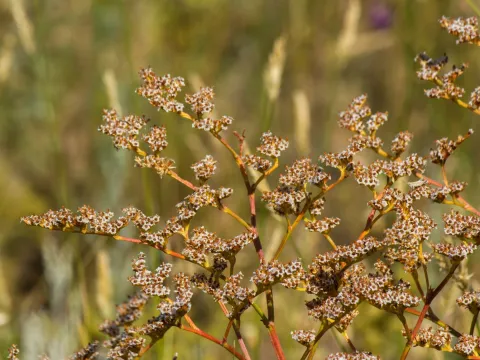
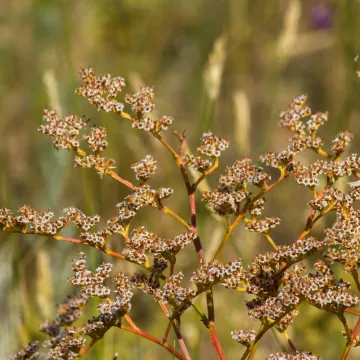
Botanically, Goniolimon elatum is characterized by a basal rosette of leathery leaves from which branched panicle inflorescences emerge. These inflorescences are densely packed with small, delicate flowers that maintain their color and architectural integrity long after the growing season, effectively serving as natural everlasting flowers.
Successful cultivation requires strict adherence to environmental conditions. The plant demands full sun exposure and extremely well-drained, porous soils. It is intolerant of heavy, waterlogged substrates which lead to root rot. Ideally, the soil should have a neutral to slightly alkaline pH, mirroring the plant's natural habitat in limestone or rocky landscapes.
Regarding plant health, the most significant threats are fungal pathogens, specifically those causing crown and root rot during periods of high humidity. Preventive care includes maintaining sufficient spacing to ensure adequate air circulation and choosing sites that are protected from stagnant water. With proper placement, the plant remains a hardy and long-lived perennial.
Photo gallery