
Description
Creeping raspwort (latin Gonocarpus micranthus) is a small perennial herbaceous plant belonging to the Haloragaceae family. This species is recognized for its preference for damp, swampy environments, making it a specialized subject of interest for both botanists and specialists in aquatic ecosystem management.
The plant originates from diverse regions across East and Southeast Asia, including China, Japan, and Australia. It naturally inhabits wetlands, boggy margins, and moist grasslands. Its wide geographical distribution highlights its resilience in various temperate and tropical climatic zones that share high moisture levels.
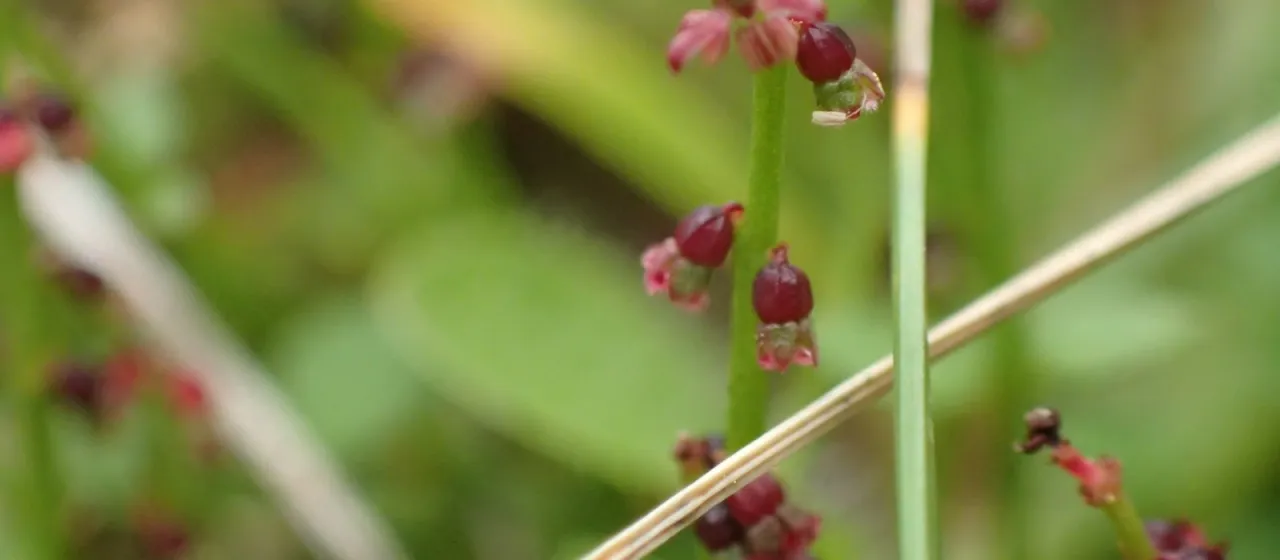
Botanically, it is characterized by its trailing or ascending stems that can spread along the ground. The leaves are small, ovate, and arranged in opposite pairs, often featuring serrated margins. The flowers are minuscule, typically greenish or reddish, forming terminal inflorescences that are adapted for wind or self-pollination in moist, crowded habitats.
Cultivation requirements necessitate high soil moisture and sufficient light exposure. It thrives best in acidic, peat-based or sandy soils that mimic its natural wetland environment. Growers must ensure consistent irrigation to prevent root desiccation, as the plant lacks effective mechanisms for drought tolerance.
The practical and commercial utility of creeping raspwort includes several areas:
- Use in specialized landscaping, particularly for bog gardens and wet meadow restoration.
- Research in ethnobotany and pharmacological screening due to its unique secondary metabolites.
- Functioning as a biological indicator for monitoring soil moisture stability in restored habitats.
Typical pests and diseases include various fungal pathogens such as Pythium or Phytophthora, which can cause root rot if the drainage is improperly managed. Insect pests like aphids and spider mites may also present a threat, particularly in enclosed greenhouse conditions where humidity and airflow are not balanced effectively for the plant's health.