
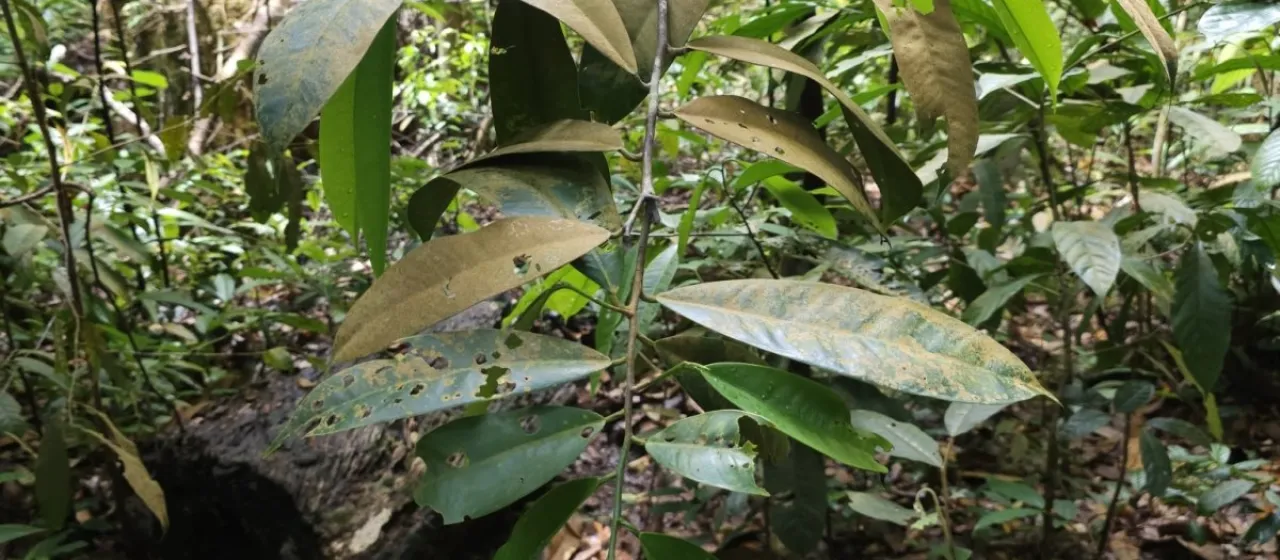
Description
Gonystylus confusus is a tree species belonging to the family Thymelaeaceae. While not a conventional agricultural crop, it is a significant forest resource and a critical component of tropical ecosystems in Southeast Asia, particularly within the peat swamp forest biomes.
The native range of this species is primarily focused on the island of Borneo. It is specifically adapted to wet, waterlogged, and peat-rich soils. Due to its evolutionary history, the plant thrives in tropical climates where the temperature remains consistently high and annual precipitation levels are sufficient to maintain soil saturation.
Botanically, Gonystylus confusus is characterized by its slow growth rate and resilience in flooded conditions. The leaves are typically evergreen and leathery, an adaptation to maximize photosynthetic efficiency in the dense tropical canopy. The tree produces small flowers, and its reproductive strategies are closely tied to the specific humidity regimes of its swampy habitats.
Regarding silviculture and management, this species is extremely difficult to cultivate outside its natural environment. Successful regeneration requires restoring degraded peatlands and ensuring the specific hydro-geological conditions the plant requires. Standard agricultural techniques, such as intensive fertilization, are generally unsuitable for this forest species.
The primary economic application of this tree is the production of ramin timber. This wood is highly prized internationally for its uniform grain and versatility in carpentry, including furniture manufacturing, architectural moldings, and interior design products. Conservation efforts are currently prioritized to prevent over-harvesting and ensure sustainable management of existing stands.
- Family: Thymelaeaceae
- Native region: Borneo, Southeast Asia
- Primary use: High-quality timber (Ramin)
- Habitat type: Tropical peat swamp forests