
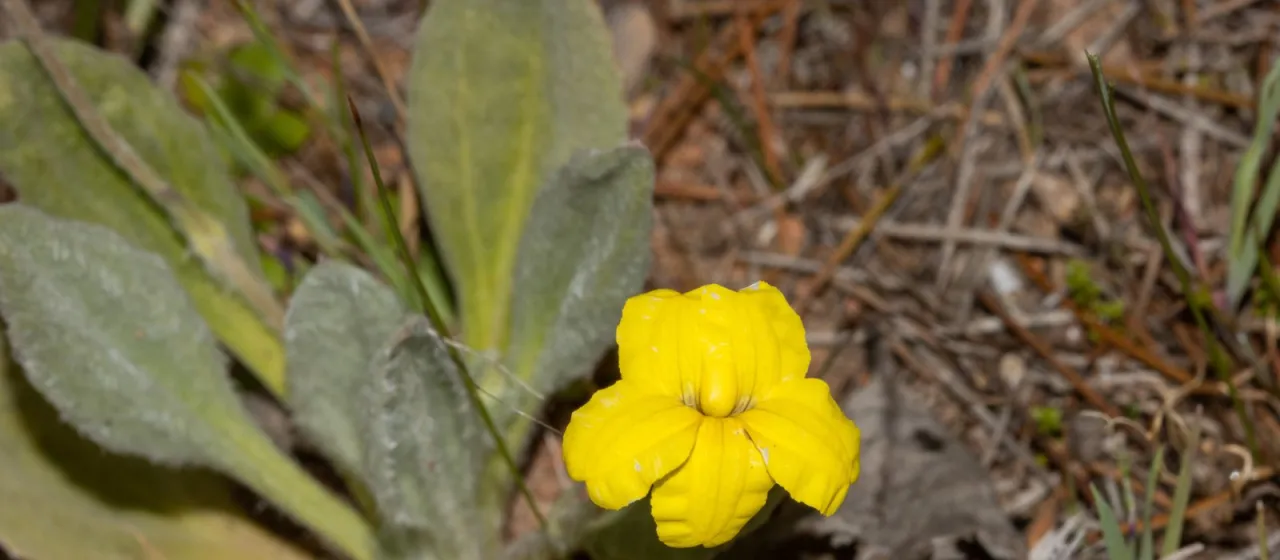
Description
Goodenia robusta is a perennial herbaceous plant belonging to the Goodeniaceae family. While not a conventional staple crop, it is a significant species in specialized nursery production and botanical research, valued for its robust survival mechanisms in arid environments and its distinct morphological structure.
The origin of this species is traced to the arid and semi-arid regions of Australia. This evolutionary background dictates its specific requirements for cultivation, favoring regions with high solar radiation and low relative humidity. In agricultural settings, it is primarily managed in controlled environments or xeriscaped gardens that mimic its native ecological niche.
Botanically, the plant is characterized by its succulent-like leaves and specific floral architecture, which includes an indusium—a structure that aids in the efficient collection of pollen. These features are adaptive traits evolved to protect the reproductive organs and optimize nutrient management during periods of extreme thermal stress and moisture scarcity.
Regarding soil and agronomic requirements, Goodenia robusta thrives in well-aerated, sandy-loam soils with an acidic to neutral pH. Proper cultivation techniques involve a highly controlled irrigation schedule; the primary risk to the crop is root rot caused by stagnant water, which necessitates the use of coarse drainage materials in the growing substrate.
The economic utility of the plant is centered on the ornamental and landscaping sectors, particularly in arid climates where water conservation is a priority. Typical pests include sap-sucking insects like aphids and mites, which can be managed through integrated pest management (IPM) practices, emphasizing biological controls and moisture regulation to prevent secondary fungal infections.