
Description
Gorteria diffusa is a fascinating species belonging to the Asteraceae family. While not a conventional agricultural commodity, this plant is highly regarded by botanists and horticulturalists for its remarkable evolutionary adaptations and specific ecological requirements.
The plant originates from the arid regions of South Africa, specifically within the Cape region. It is well-adapted to surviving in harsh, sandy, and stony environments. This natural distribution informs its physiological resilience to heat and its limited tolerance for high-humidity climates, which is a critical factor for any cultivation attempt.
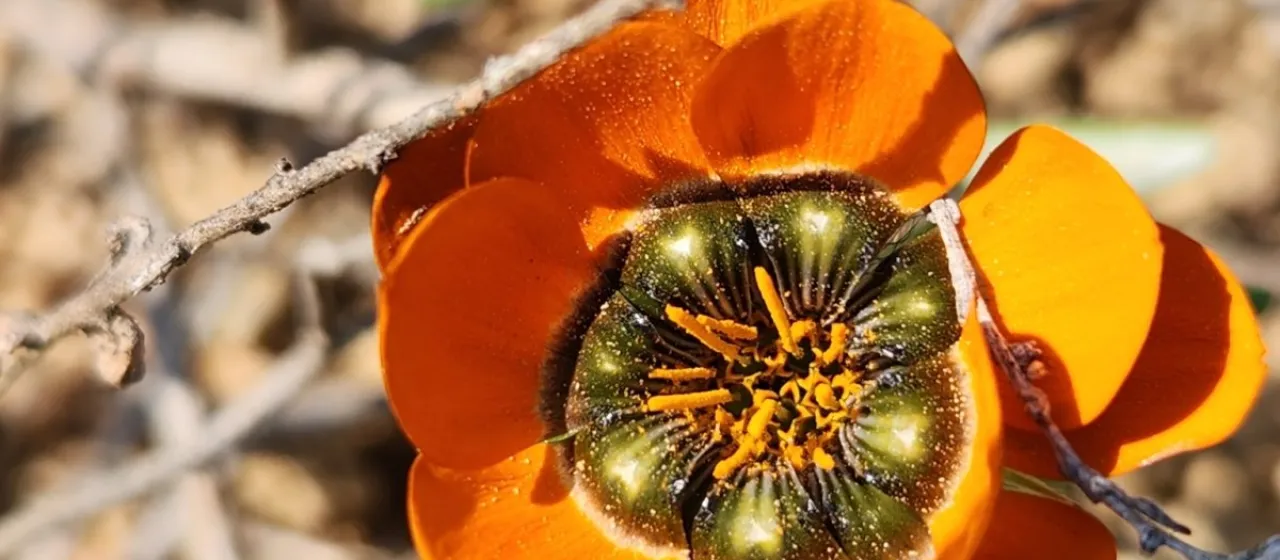
From a botanical standpoint, Gorteria diffusa is characterized by its prostrate growth habit and specialized floral structures. The flower petals often feature dark, glossy spots that mimic the presence of beetles. This phenomenon is a form of deceptive pollination, designed to attract insect pollinators in resource-scarce environments.
Agronomic requirements for this species are strict and necessitate precise environmental control. It thrives in well-draining, sandy soil with very low organic matter content. For successful cultivation, full sun exposure is non-negotiable. Growers must ensure that the irrigation schedule mimics the natural cycles of the plant’s native habitat, avoiding any water stagnation near the root zone.
The primary utility of Gorteria diffusa lies in its ornamental potential, particularly for xeriscaping and rock gardens in climate-appropriate zones. Regarding health, the plant is relatively robust but remains susceptible to fungal pathogens if the soil aeration is poor. Maintaining dry conditions around the foliage and collar is the best preventive measure against such infections.