
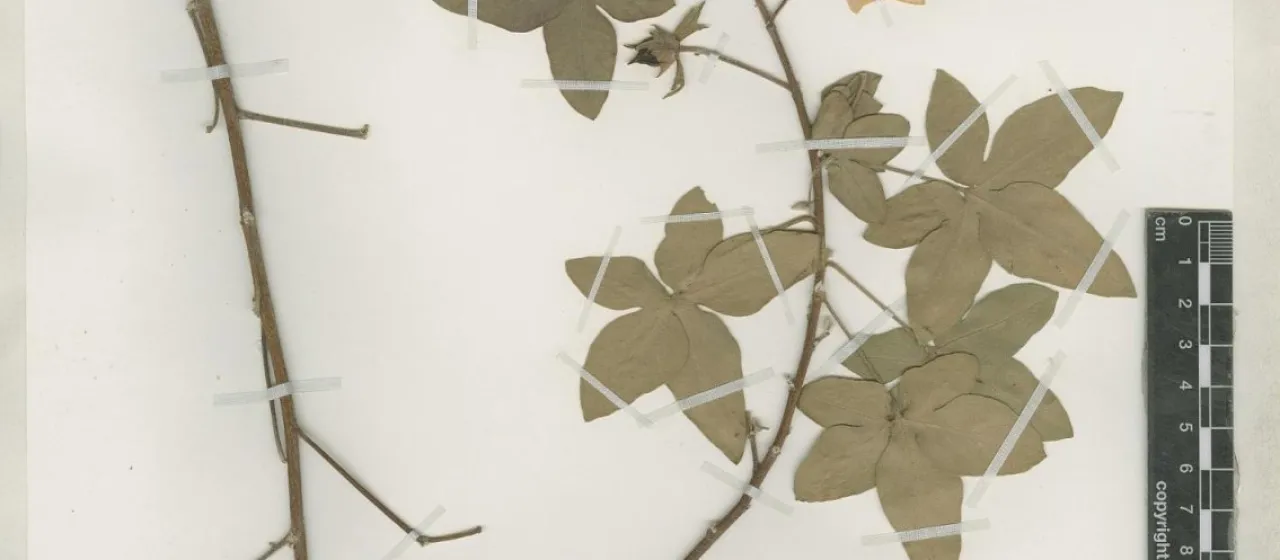
Description
Gossypium barbosanum is a distinct and rare species within the genus Gossypium, which belongs to the Malvaceae family. Unlike the highly productive commercial cotton varieties, this species is a wild, perennial plant that holds significant importance in the fields of plant breeding and genetic conservation due to its unique genetic makeup.
The origin of Gossypium barbosanum is geographically linked to the African continent, specifically found in Angola. This species is highly adapted to the tropical environment of its native range, where it has evolved distinct mechanisms to cope with localized climate conditions, distinguishing it from other wild species of the genus that are found in different parts of the world.
Botanically, this plant displays typical Malvaceae characteristics, including a shrub-like habit, palmately lobed leaves, and specialized flower structures designed for insect pollination. Its adaptation to specific tropical niches allows it to thrive in environments that would be challenging for more sensitive agricultural crop varieties, reflecting a robust genetic resilience.
Requirements for growth center on high thermal indices and high light availability, typical of its native tropical habitat. The soil must be well-drained, as the species does not tolerate waterlogging, which often leads to root rot or pathogen susceptibility. In controlled experimental settings, agronomists focus on maintaining a consistent soil structure and preventing extreme moisture fluctuations to support the healthy development of the specimens.
The primary utility of Gossypium barbosanum is found in agricultural research. While it is not used for fiber production due to poor economic yields, it serves as a critical reservoir of genetic traits. Breeders investigate this species to isolate genes related to:
- Resistance to local tropical pests and diseases.
- Tolerance to abiotic stress factors such as drought.
- Improvement of specific fiber traits in commercial hybrids through cross-breeding.