
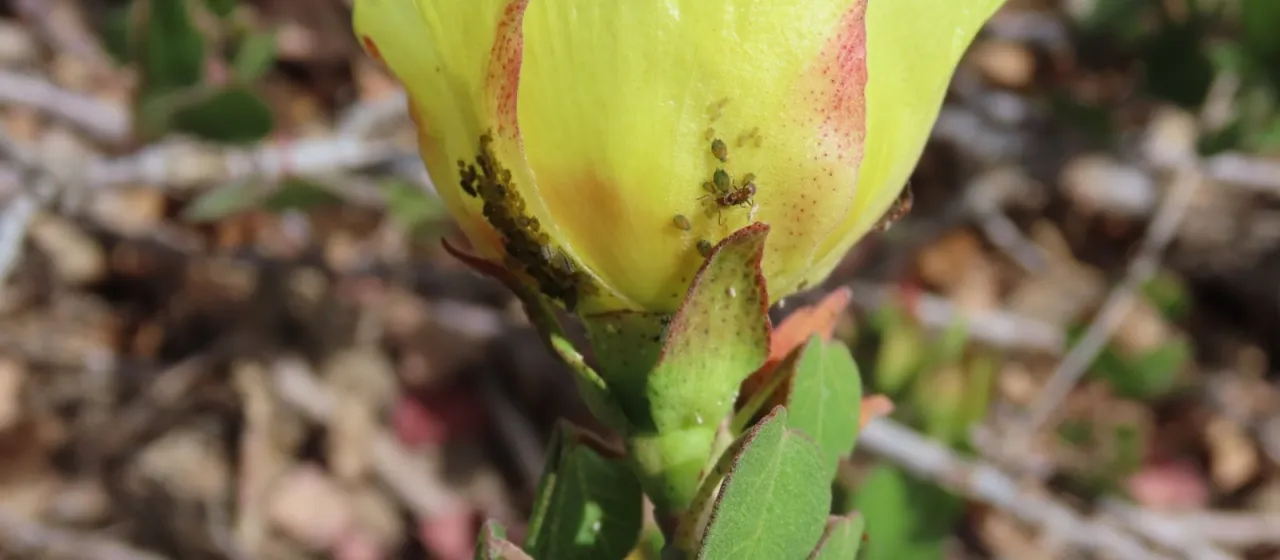
Description
Harkness cotton (Gossypium harknessii) is a wild shrub species within the Malvaceae family. While it is not cultivated commercially for fiber production, it serves as an invaluable genetic resource for agricultural scientists and breeders working to improve the resilience of domestic cotton varieties.
The species is native to the arid environments of the Baja California Peninsula in Mexico and surrounding islands. It has evolved under harsh desert conditions, allowing it to thrive in nutrient-poor soils and regions characterized by prolonged drought, which makes it a unique subject for studying plant stress tolerance.
Botanically, Gossypium harknessii exhibits typical characteristics of the genus but with distinct adaptations for survival in extreme heat. Its root system is highly efficient, and the plant structure is inherently more robust against environmental fluctuations compared to standard cultivated cotton species.
In terms of agricultural utility, this species is primarily used in breeding programs to confer disease and pest resistance. It is well-documented for its strong resistance to root-knot nematodes and other soil-borne pathogens, making it a critical source for introgression of resistance traits into commercial cotton germplasm.
Typical threats to the species include habitat degradation and the risks associated with the decline of natural ecosystems. Consequently, professional research stations prioritize the conservation of this species, ensuring its genetic integrity remains available for future agricultural innovations and the development of sustainable, low-input crop management strategies.
- Extreme drought tolerance.
- Natural resistance to root-knot nematodes.
- Significant role in genetic crop improvement.
- Native to Baja California, Mexico.