
Description
Turner cotton (Gossypium turneri) is a unique species of perennial shrub belonging to the Malvaceae family. As a wild relative of the commercial cotton plant, it is recognized for its specialized evolutionary adaptations to arid environments, making it a subject of great interest in botanical research and plant genetics.
The plant is endemic to the desert regions of northwestern Mexico, specifically within the state of Sonora. It thrives in harsh, sun-drenched habitats such as rocky slopes and dry washes, where water availability is highly seasonal and temperatures often reach extreme levels during the day.
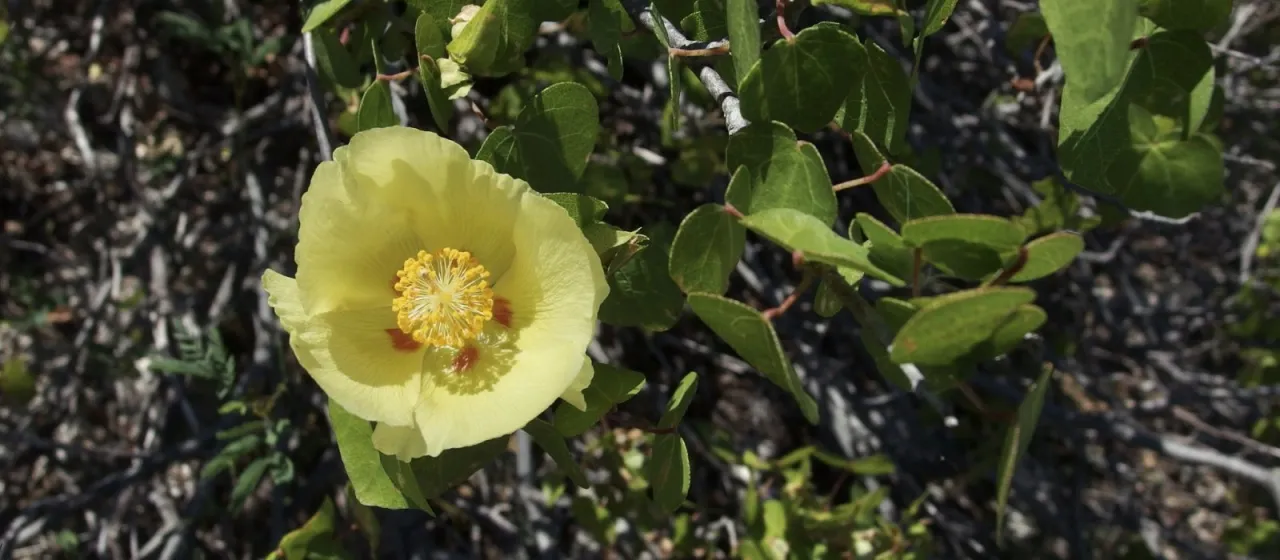
Botanically, Turner cotton features a hardy, woody stem structure and palmately lobed leaves typical of the genus. Its flowers display subtle yellow or creamy hues, and the seed capsules are generally smaller than those found in domesticated cotton. The fiber produced by this species is sparse and short, lacking the qualities required for modern textile manufacturing.
Regarding its cultivation requirements, Gossypium turneri is highly specialized and does not tolerate standard commercial farming practices. It requires exceptionally well-drained, porous soils and is extremely sensitive to waterlogging, which can quickly lead to root rot. Successful cultivation, often conducted in experimental greenhouses, necessitates strict control of moisture and high light exposure to mimic its natural desert ecosystem.
The primary importance of Turner cotton today is as a genetic reservoir. It is not cultivated for commercial fiber production but is highly valued for its natural resistance to environmental stressors and pests. Scientists are actively studying its genome to identify traits that can be introgressed into commercial cotton varieties to improve their resilience in a changing climate and reduce the reliance on chemical inputs.
- Family: Malvaceae
- Genus: Gossypium
- Native range: Sonora, Mexico
- Life cycle: Perennial shrub
- Key utility: Genetic resource for crop improvement