
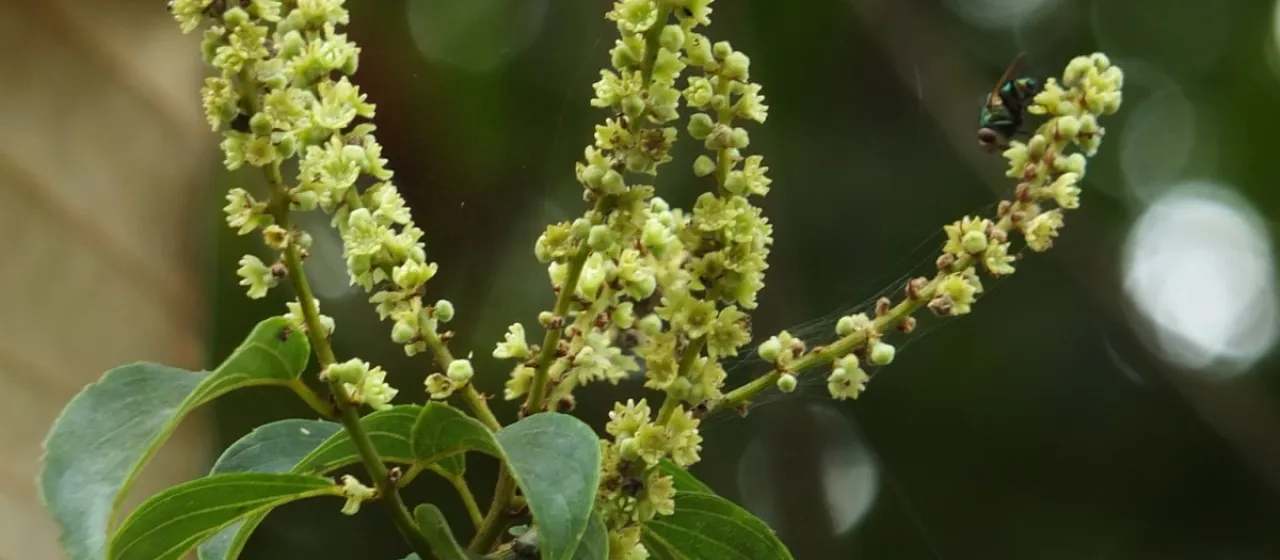
Description
Gouania microcarpa is a perennial climbing plant species within the Rhamnaceae family. Although it is not a traditional food staple, it is recognized as a significant biological resource in tropical regions, particularly valued for its biochemical properties which are explored in pharmaceutical research and traditional healing practices.
Native to the tropical regions of Central and South America, this plant thrives in humid forest environments and woodland edges. Its natural habitat is characterized by consistent warmth and significant rainfall, which dictates its ecological requirements. Understanding its native environmental context is essential for anyone attempting to cultivate this species outside of its natural range.
Botanically, Gouania microcarpa is characterized by its vigorous, flexible stems that allow it to climb and colonize vertical structures. The foliage is typically simple, with a distinct leaf structure common to the buckthorn family. The flowers are small but occur in numerous clusters, facilitating successful reproduction through insect pollination in its native ecosystem.
Successful cultivation of Gouania microcarpa requires fertile, well-draining soil with a pH balance suitable for tropical woody plants. Providing robust supports is mandatory for the plant's structural integrity. Agriculture management focuses on maintaining a balanced humidity level and protecting the vine from extreme wind and intense midday sunlight, which can stress the foliage.
The primary economic use of this plant is as a source of raw botanical material. Studies have identified various bioactive compounds within its tissues, suggesting potential applications in anti-inflammatory drug production. Consequently, it is increasingly studied in botanical institutes for its capacity to provide sustainable, natural ingredients for health and wellness products.
Common issues encountered during the growth of Gouania microcarpa include:
- Root rot caused by poor soil drainage and waterlogging.
- Pest infestations, particularly by sap-sucking insects during the wet season.
- Fungal pathogens that thrive in dense foliage if proper airflow is not maintained.