
Description
Gracilaria chilensis is a species of red seaweed belonging to the Gracilariaceae family. It is one of the most commercially important seaweeds worldwide, cultivated extensively as an agarophyte, which is the primary source of commercial agar-agar used in food processing, clinical diagnostics, and molecular biology research.
Originating from the coastal waters of Chile, this species has been introduced to various global regions for farming purposes due to its fast growth rates and high-quality gel production. It thrives in sheltered coastal bays, estuaries, and intertidal environments where nutrient levels are sufficient to support rapid biomass accumulation.
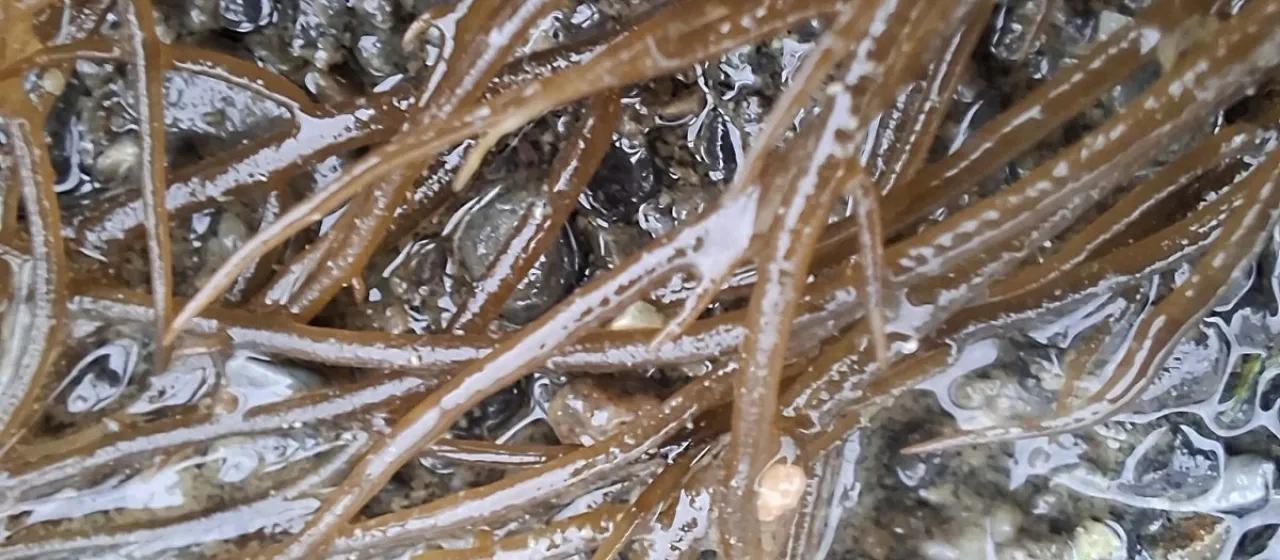
Botanically, Gracilaria chilensis possesses a thallus structure that is cylindrical and extensively branched. The species is highly capable of vegetative propagation, which is the cornerstone of its agricultural practice. By fragmenting the seaweed and securing it to cultivation ropes or grids, farmers can ensure a consistent and renewable supply of seaweed.
The agronomy of Gracilaria requires careful management of water quality, including light intensity, water temperature, salinity, and water movement. Unlike traditional terrestrial crops, this marine culture relies on the natural nutrient profile of the sea, often requiring monitoring to prevent nutrient depletion and ensure optimal development of the polysaccharide content.
- High agar yield and gel strength.
- Rapid vegetative growth cycle.
- Adaptability to aquaculture systems.
- Important role in marine nutrient cycling.
Major challenges in farming include the infestation of epiphytic algae, which compete for light and physical space, and occasional grazing by marine invertebrates. Management strategies often involve periodic maintenance of the cultivation structures, depth adjustment to manage sunlight exposure, and regular monitoring of the crop for any signs of biological stress or disease outbreaks.