
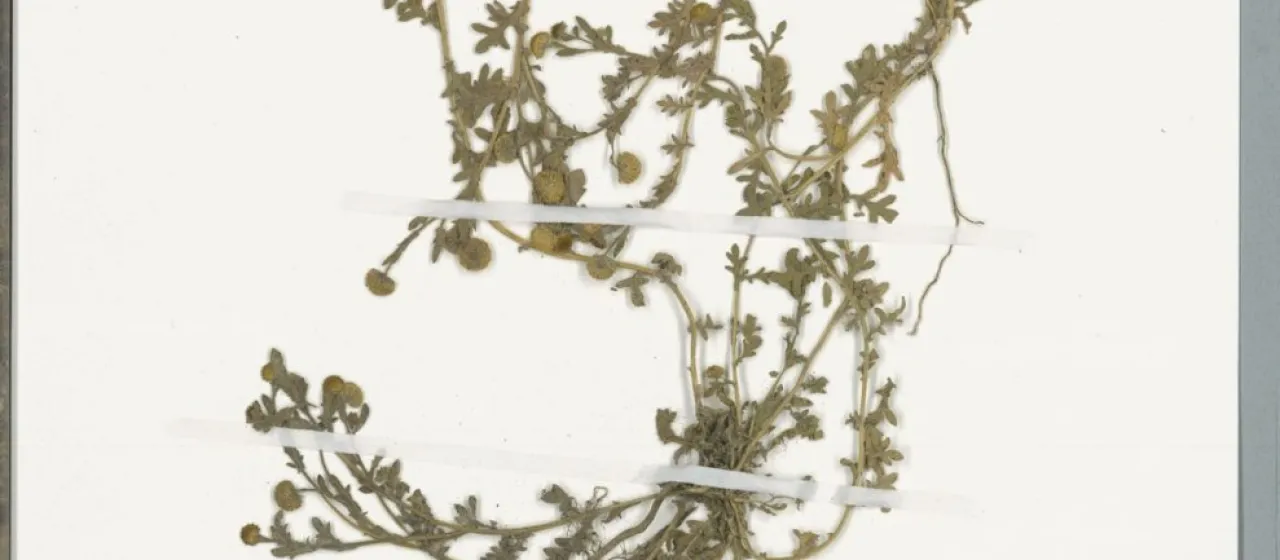
Description
Grangea ceruanoides is a herbaceous perennial plant belonging to the Asteraceae family. Known primarily for its niche role in botanical studies and specific traditional applications, this species demonstrates unique adaptation strategies that make it a subject of interest for specialized agricultural research and ethnobotanical exploration.
The plant originates from tropical regions of Africa, typically thriving in wetlands, riverbanks, and areas with alluvial soil deposits. Its distribution is strictly tied to tropical climatic zones where warm temperatures remain consistent throughout the year. Understanding its native habitat is crucial for successful cultivation, as it requires specific environmental parameters to flourish.
Botanically, it is characterized by branched stems, pinnatisect foliage forming a basal rosette, and small, distinct flower heads typical of the daisy family. The root system is relatively shallow, necessitating an environment that maintains constant soil moisture. The plant's morphology is adapted to survive in humid environments where competition for light and space can be high.
Agricultural requirements for Grangea ceruanoides emphasize the need for nutrient-rich, well-drained soils with a neutral pH level. Proper site selection is vital, as the plant does not tolerate prolonged drought. Farmers should focus on organic soil amendments to maintain the structural integrity of the growing medium and ensure adequate water supply throughout the growing season.
Economic potential lies within the pharmaceutical and nutraceutical sectors due to the presence of specific bioactive compounds.
- Disease management is centered on preventing root rot caused by stagnant water.
- Pest control primarily involves monitoring for aphids and spider mites.
- Harvesting is synchronized with the flowering peak to maximize secondary metabolite concentration.