
Description
Grewia bicolor is a perennial woody plant belonging to the Malvaceae family. It typically grows as a shrub or a small tree, reaching heights of up to 10 meters in optimal conditions. Recognized for its hardiness, it plays a vital role in the dryland ecosystems of Africa and the Arabian Peninsula, where it serves as a critical resource for local fauna and pastoral communities.
The native range of the species extends across much of tropical and subtropical Africa. It thrives in diverse habitats including open woodlands, wooded grasslands, and riparian fringes. Due to its evolutionary adaptation to arid environments, the tree shows exceptional tolerance to high heat and prolonged drought, making it a reliable species for restoration in degraded landscapes.
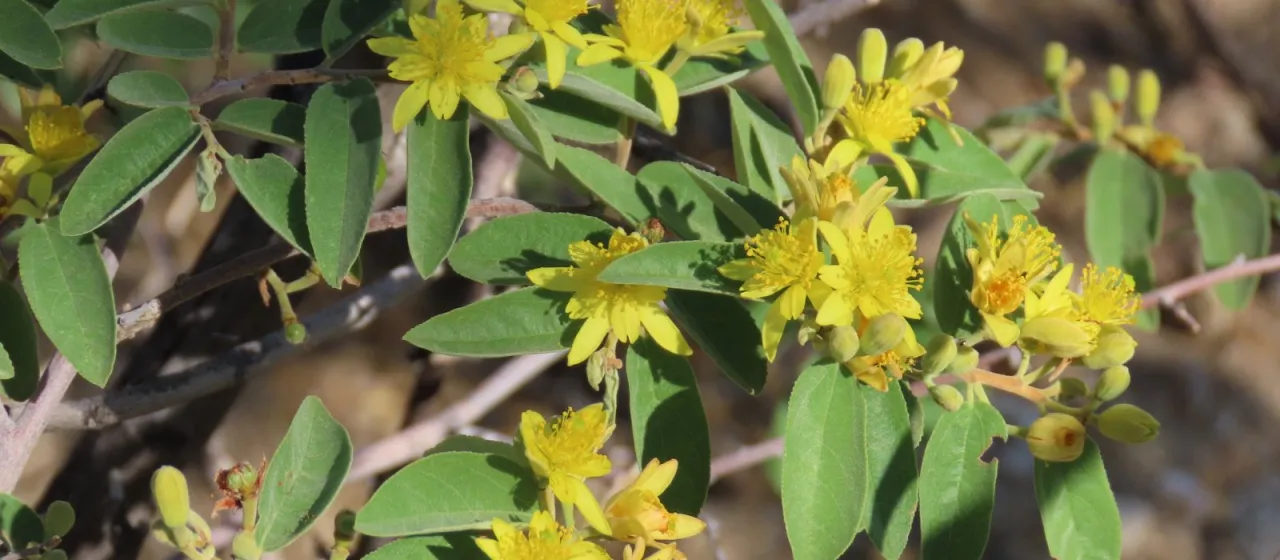
Botanically, Grewia bicolor is distinguished by its alternate leaves, which exhibit a striking contrast between the dark green upper surface and the silvery-white, pubescent underside. This distinct coloration is a diagnostic feature of the species. The plant produces small, yellow, star-shaped flowers followed by edible, drupaceous fruits that provide seasonal nutrition for humans and wildlife.
Agricultural management of this crop focuses on providing well-drained soil and full sun exposure. While the tree is robust, initial establishment requires protection from livestock and regular weeding to ensure optimal growth rates. It does not require intensive irrigation, as it is physiologically adapted to withstand seasonal water deficits, provided the soil structure supports deep root penetration.
The economic and agricultural utility of Grewia bicolor is diverse. Its wood is highly valued for its toughness and flexibility, utilized locally for tool handles, walking sticks, and light construction. Furthermore, the foliage is a highly nutritious fodder for goats and cattle, particularly during the dry season. The plant also acts as an effective soil stabilizer, helping to prevent erosion in vulnerable dryland areas.
- Outstanding drought tolerance.
- Valuable source of forage for livestock.
- Durable wood for traditional tools.
- Edible fruit production.
- Erosion control in arid climates.