
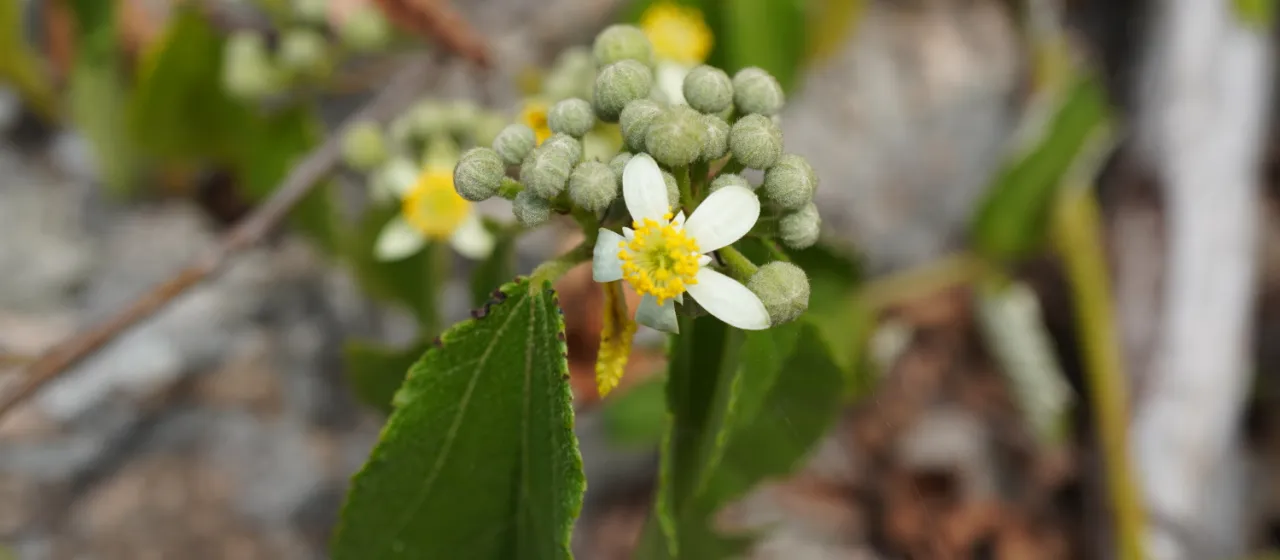
Description
Grewia biloba is a deciduous perennial shrub belonging to the Malvaceae family. Historically associated with Tiliaceae, this plant is increasingly recognized in horticulture for its ornamental appeal, characterized by an elegant growth habit and attractive seasonal flowering patterns that enhance garden aesthetics.
The native distribution of this species is centered in East Asia, encompassing regions within China, Japan, and Korea. Typically found in woodland margins and secondary forests, the shrub thrives in environments that offer moderate moisture and filtered sunlight. Its adaptability has allowed it to become a staple in various botanical collections and gardens worldwide.
Botanically, Grewia biloba is distinguished by its unique leaf morphology, which often features a lobed or bifid apex, justifying its scientific name. The plant produces delicate flowers, usually in shades of yellow or soft pink, appearing in clusters along the branches during late spring or early summer, contributing to its high visual value in landscape design.
Cultivation requires fertile, well-draining soil with a slightly acidic to neutral pH. Success in growing this species depends on providing a sunny or partially shaded location, as too much shade can inhibit flower production. Proper irrigation is essential; the soil should be kept consistently moist but never waterlogged to prevent root issues.
In terms of practical application, Grewia biloba is primarily utilized for ornamental landscaping, including borders, hedges, or specimen planting. It is also a candidate for container gardening and bonsai art. While relatively hardy, growers should remain vigilant regarding pests such as spider mites and aphids, as well as common fungal issues if the plant is grown in areas with poor air circulation.