
Description
Grewia flavescens is a versatile shrub or small tree belonging to the family Malvaceae. It is widely recognized for its robust growth habit and ability to thrive in harsh environments, making it a significant botanical species within its native habitat in the tropical regions of Africa.
The geographic range of Grewia flavescens spans across sub-Saharan Africa, including regions such as Ethiopia, Kenya, and various parts of Southern Africa. It typically occupies wooded savannas and rocky slopes, displaying high levels of phenotypic plasticity depending on local water availability and soil fertility.
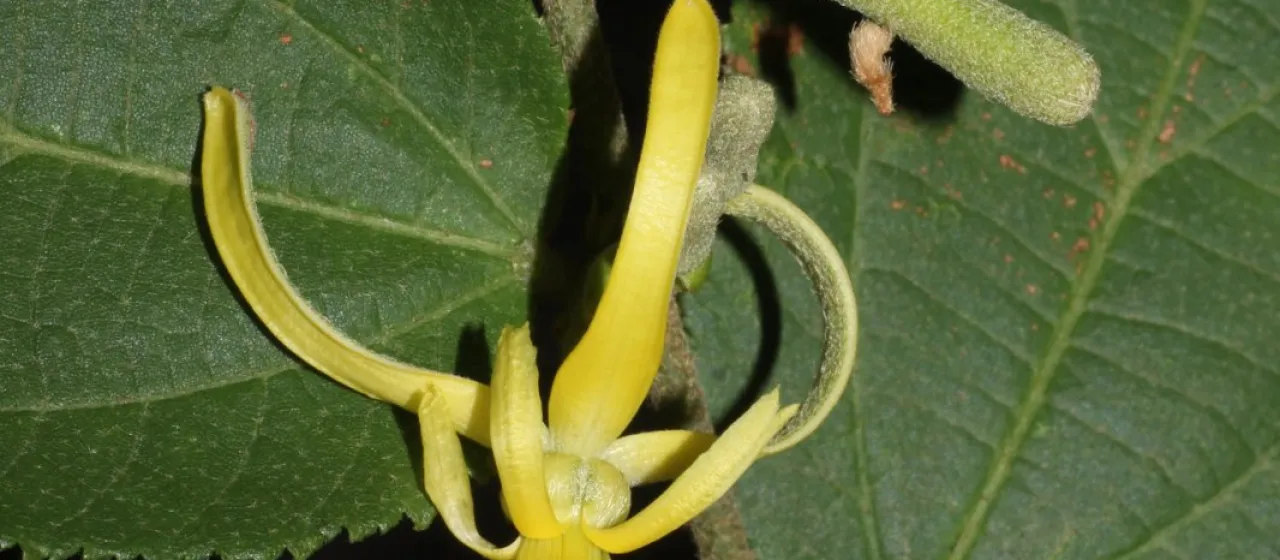
Botanically, the plant is distinguished by its unique four-angled (quadrangular) young stems, a key feature for field identification. The leaves are generally oblong with a rough, hairy texture. During the flowering season, the shrub produces clusters of small yellow flowers, followed by the development of drupe-type fruits that are often orange or brown when mature.
Agricultural and climate requirements for this species focus primarily on adequate solar exposure and well-draining soil. Grewia flavescens is naturally adapted to high temperatures and can tolerate prolonged dry spells once established. In cultivation, minimal soil preparation is needed, though it responds positively to basic moisture management during the initial growth phase.
The economic and practical utility of Grewia flavescens is extensive. Its flexible branches are traditionally harvested for basketry and tool handles, while its foliage serves as a valuable browse plant for domestic livestock and wildlife. Furthermore, pharmacological research into the chemical properties of the plant continues to explore its potential applications in traditional herbal remedies.
- Exceptional drought tolerance
- Versatile use in traditional handicrafts
- Important forage crop for livestock
- Adaptability to poor soil conditions