
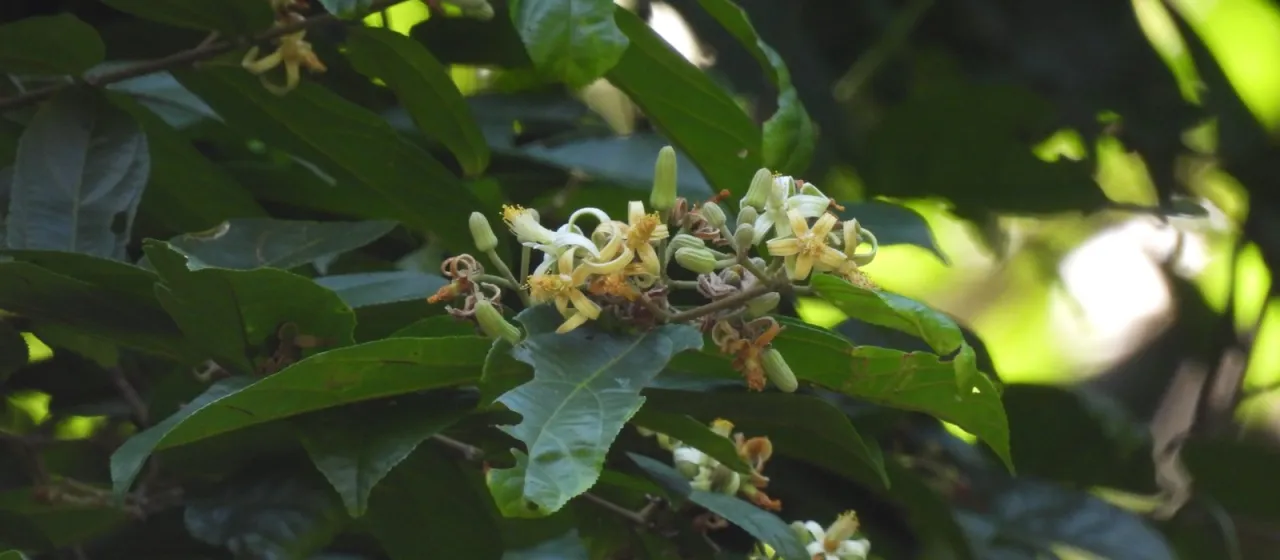
Description
Grewia laevigata is a woody perennial shrub or small tree belonging to the Malvaceae family. Recognized for its smooth bark and elliptical, serrated leaves, it is a significant species in tropical forest ecosystems. The plant can reach significant heights, providing valuable biomass in its natural habitat.
Native to tropical regions of Asia and Africa, this species thrives in climates with high humidity and consistent warmth. It is predominantly found in secondary forests and forest fringes. Its adaptability to diverse tropical environments makes it a species of interest for local agroforestry projects in its native range.
The climate requirements for optimal development include a frost-free environment and moderate rainfall patterns. Soil preferences lean towards well-drained, nutrient-rich loams. It does not tolerate waterlogging, so site selection should prioritize raised or sloping areas to ensure proper drainage during heavy monsoon seasons.
Agricultural practices focus on early growth management, as seedlings require protection from excessive sun exposure. Propagation is typically achieved via seeds or stem cuttings. Regular pruning is necessary to maintain a manageable shape, especially when cultivated for biomass or forage production, as this encourages side branching and denser leaf growth.
Economic and agricultural utility is multifaceted. The wood is utilized for crafting handles and small furniture due to its durability. In various regions, the foliage serves as high-quality fodder for ruminants during dry seasons. Additionally, the plant is researched for its potential in soil stabilization. Common pests include leaf-eating caterpillars and aphids, which require monitoring to maintain plant health and prevent secondary fungal infections.