
Description
Grewia retinervis is a perennial shrub or small tree belonging to the Malvaceae family. Known for its remarkable resilience, this species has evolved in some of the harshest environments in Southern Africa, demonstrating a unique ability to thrive under high temperatures and irregular precipitation patterns.
The native range of this species covers regions such as Botswana, Namibia, and Zimbabwe. It typically inhabits savanna ecosystems and sandy plains, where its deep root system allows it to exploit available moisture. Its ecological role as a pioneer species makes it highly valuable for land restoration in degraded arid zones.
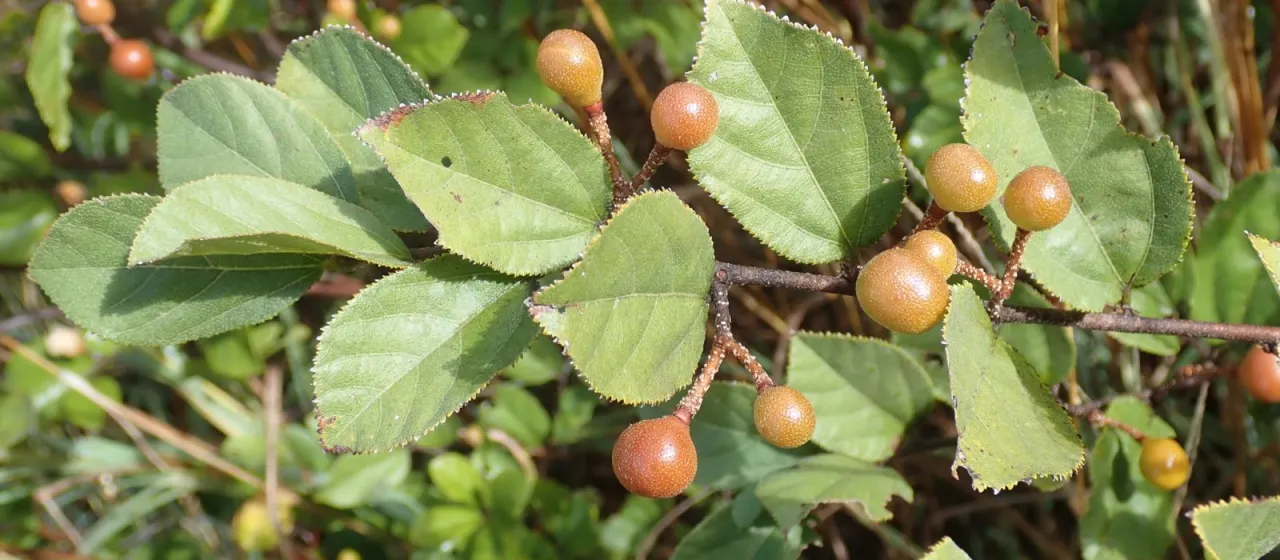
Botanically, Grewia retinervis is recognized by its distinctively reticulated leaves, which provide a textured appearance and aid in water retention. The plant produces small, edible drupes that serve as an important nutritional source for local wildlife and communities. Its flowers, typically yellow, appear during the warmer months, initiating the cycle of fruit production.
Successful cultivation requires a well-drained, sandy-loam substrate and full sun exposure. In an agricultural setting, the plant is relatively low-maintenance, as it does not demand heavy fertilization. Proper management involves controlling competing invasive weeds during the establishment phase and applying pruning techniques to maintain structural integrity and maximize fruit yield.
The economic potential of this crop is significant, particularly in sustainable agroforestry systems:
- Nutritional: Fruits are consumed fresh or processed into traditional jams and beverages.
- Ethnobotanical: Various parts of the plant are utilized in traditional local medicinal practices.
- Material: The flexible branches and wood are used in local construction and craft.
- Conservation: Its ability to stabilize soil makes it useful in anti-erosion strategies.
Regarding pest and disease management, the crop can be susceptible to common savanna-dwelling insects, including aphids and various coleopterans. Fungal pathogens may arise in environments with poor air circulation or excessive moisture. Maintaining a balanced environment and practicing routine garden sanitation are the most effective strategies to preserve the health of these trees.