
Description
Grewia serrulata is a perennial woody plant belonging to the Malvaceae family, historically classified within the Tiliaceae family. This species typically grows as a shrub or a small tree, exhibiting significant versatility within its native tropical and subtropical ecosystems, where it contributes to both biodiversity and local economy.
Originating primarily from the tropical regions of Africa and Asia, this plant has adapted to various environmental niches, including forest fringes and secondary vegetation zones. In agricultural settings, it is valued for its hardiness and the ability to thrive in regions where more demanding industrial crops might struggle to establish a stable canopy.
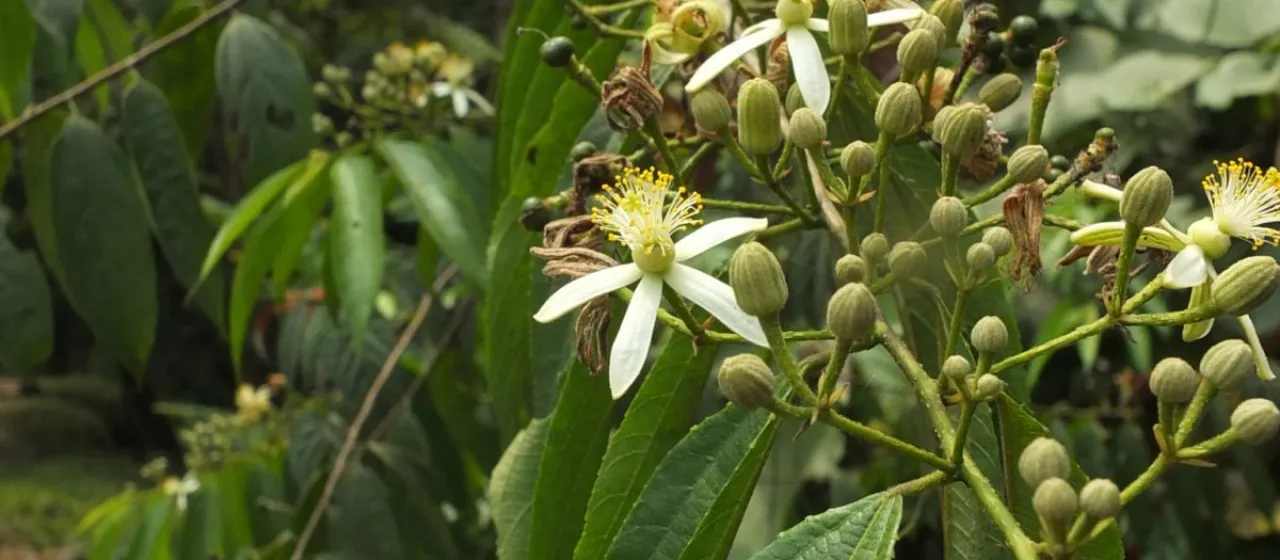
Botanically, Grewia serrulata is identified by its alternate, serrated-edged leaves, which give the plant its specific name. The flowers are generally small and yellowish, blooming in clusters that attract various pollinators. The fruit, a drupe, is an important food source for local fauna and, in some regions, is harvested for human consumption due to its nutritional content.
Regarding cultivation, the species requires well-drained, nutrient-rich soils and prefers areas with high humidity and consistent sunshine. Agronomic management involves periodic pruning to maintain structural integrity and maximize fiber production from the bark. It is considered a drought-tolerant species once established, though consistent irrigation during early developmental stages is crucial.
The economic importance of the plant spans several sectors, including the production of natural fibers for cordage, usage of its leaves as supplemental livestock fodder, and traditional medicinal applications. Common pests include foliage-feeding caterpillars and certain sap-sucking insects, while fungal infections can occur if the plant is subjected to poor soil drainage or prolonged waterlogging.