
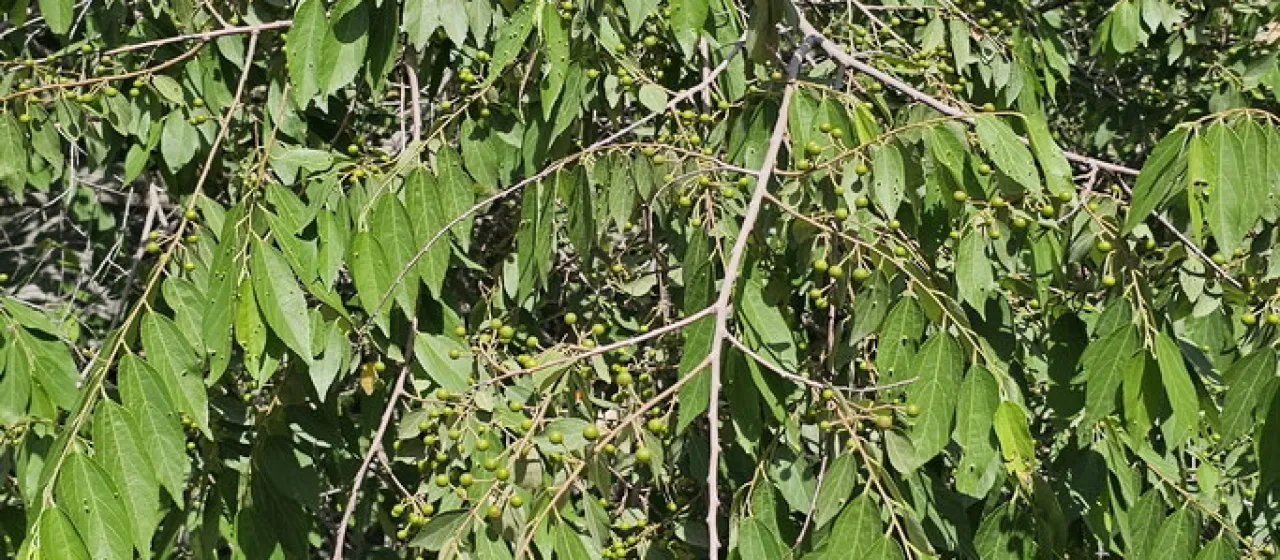
Description
Grewia trichocarpa is a significant shrubby plant species belonging to the Malvaceae family. Recognized for its resilience, this plant serves as a vital component in tropical ecosystems and holds potential for further agricultural development in arid regions.
The plant originates from the tropical regions of Africa, where it is found in diverse habitats ranging from savannas to wooded grasslands. Its distribution is closely tied to its ability to thrive in regions characterized by high heat and seasonal precipitation patterns.
Botanically, Grewia trichocarpa is distinguished by its pubescent leaves and small, structurally complex flowers. The fruit, usually a drupe, develops during the growing season and provides a source of sustenance for diverse animal species, playing a role in local biodiversity.
For successful cultivation, the species requires well-drained soil and significant solar exposure. Agronomic practices should focus on maintaining adequate soil fertility and pruning the canopy to improve air circulation, which prevents the development of fungal pathogens common in enclosed shrub environments.
Economically, the plant is valued for its fruit production and medicinal applications derived from its bark and roots. Growers should monitor for common pests such as aphids or spider mites, although these are typically managed through integrated pest control strategies rather than excessive chemical application.