
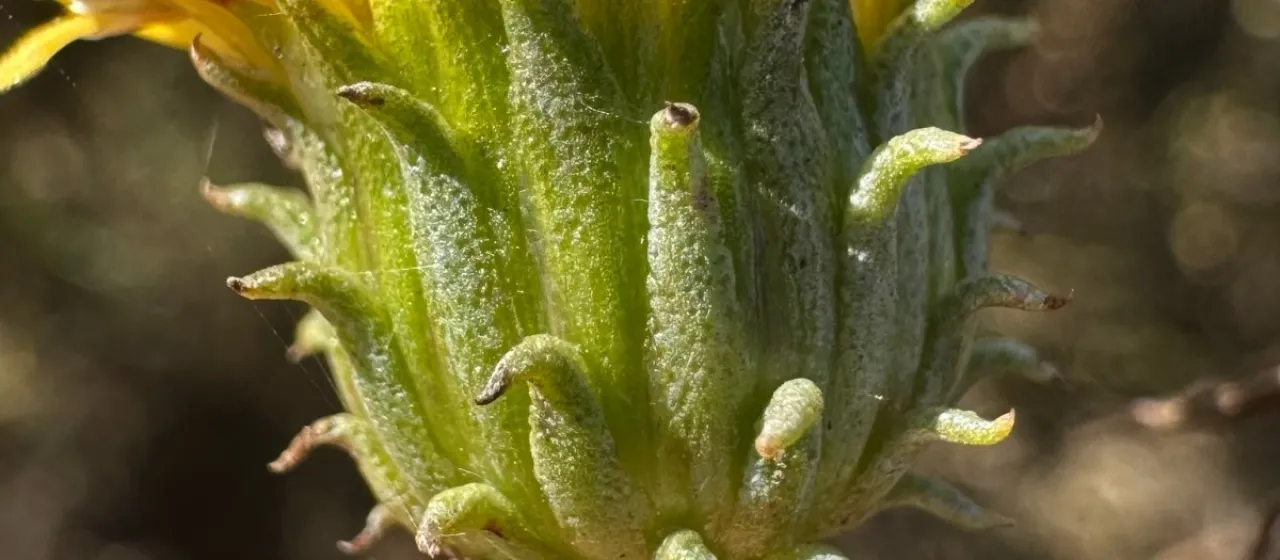
Description
Grindelia camporum, commonly known as gumweed, is a perennial herbaceous plant belonging to the Asteraceae family. In industrial agriculture, it is recognized as a significant source of resins and diterpenic acids, which are valued for their adhesive and pharmaceutical properties.
Native to the southwestern United States and Mexico, the plant has evolved in arid environments. This natural adaptation allows the crop to thrive in regions with low precipitation, making it an excellent candidate for the reclamation of semi-desert lands and areas unsuitable for traditional irrigation-heavy crops.
The botanical structure of the plant features sturdy, branching stems and narrow leaves. Its most distinctive characteristic is the presence of a thick, sticky resin that covers the flower heads and upper foliage. This resin serves as a biological defense mechanism against extreme heat, dehydration, and herbivorous insects.
Successful cultivation requires well-drained, sandy or gravelly soils. Grindelia camporum prefers full sun exposure and is highly drought-tolerant once established. It does not require high levels of fertilization, which simplifies its management, although initial weed control is essential to ensure the crop establishes itself properly during the first season.
The industrial applications of the plant are diverse, ranging from the manufacturing of specialty paints and varnishes to medicinal preparations. While the plant is generally hardy, potential issues include:
- Root rot caused by poorly drained soils or overwatering.
- Powdery mildew under high humidity conditions.
- Occasional infestations by aphids during the early growth stages.