
Description
Grindelia chiloensis is a perennial herbaceous plant belonging to the Asteraceae family. This species is widely recognized for its resinous properties and its significant role in traditional and modern medicine, often serving as a key botanical ingredient in various therapeutic preparations.
Originating from the arid regions of South America, specifically Argentina and Chile, the plant has evolved to thrive in harsh environments. Its natural habitat includes rocky slopes and dry plains where moisture is scarce, making it a highly resilient species suitable for cultivation in challenging climatic zones.
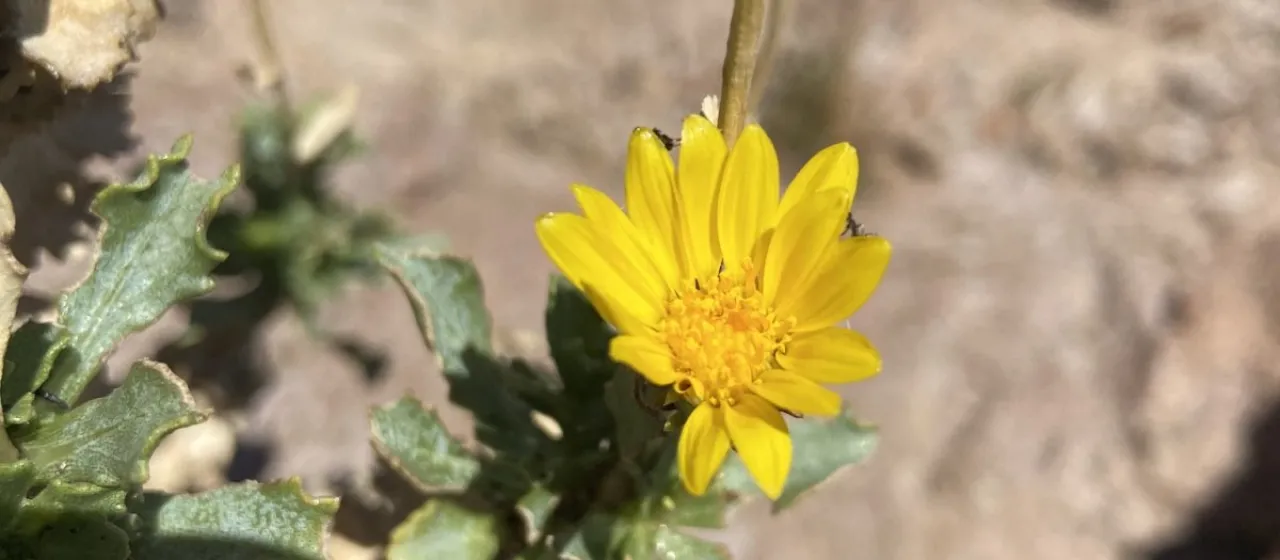
Botanically, the plant is characterized by its semi-shrub structure, lanceolate leaves, and yellow inflorescences. The most distinctive feature is the thick, sticky resin that covers the buds and leaves, which acts as a protective barrier against dehydration and herbivory, while also concentrating the plant's valuable secondary metabolites.
The agronomic requirements for Grindelia chiloensis focus on well-drained, nutrient-poor soils and maximum sunlight exposure. It is highly drought-tolerant, meaning that excessive irrigation can be detrimental. Success in growing this crop depends on avoiding waterlogged conditions and ensuring adequate spacing to allow for proper air circulation.
Economically, the plant is primarily harvested for its medicinal properties. The resins and extracts derived from the aerial parts contain diterpenoids and flavonoids that provide effective relief for respiratory issues, including coughs and bronchial congestion. Its potential in sustainable agriculture for arid regions continues to be a subject of interest.
- High resistance to drought and arid conditions.
- Resinous coating with pharmacological potential.
- Preference for sandy, well-drained soil types.
- Minimal requirements for soil fertilization.