
Description
Hairy gumweed (lat. Grindelia hirsutula) is a perennial herbaceous plant belonging to the Asteraceae family. It is recognized for its resin-secreting properties, which make it a valuable resource for medicinal production. This plant is characterized by its resilience and ability to thrive in challenging environmental conditions, making it an interesting candidate for specialized agricultural operations.
The origin of this species is traced back to North America, particularly California. Its native habitat consists of open plains, hillsides, and rocky soils where it has adapted to Mediterranean-like climates with dry, hot summers. In an agricultural context, it requires full sun exposure and sandy or loamy soils that offer excellent drainage to prevent root rot during wet seasons.
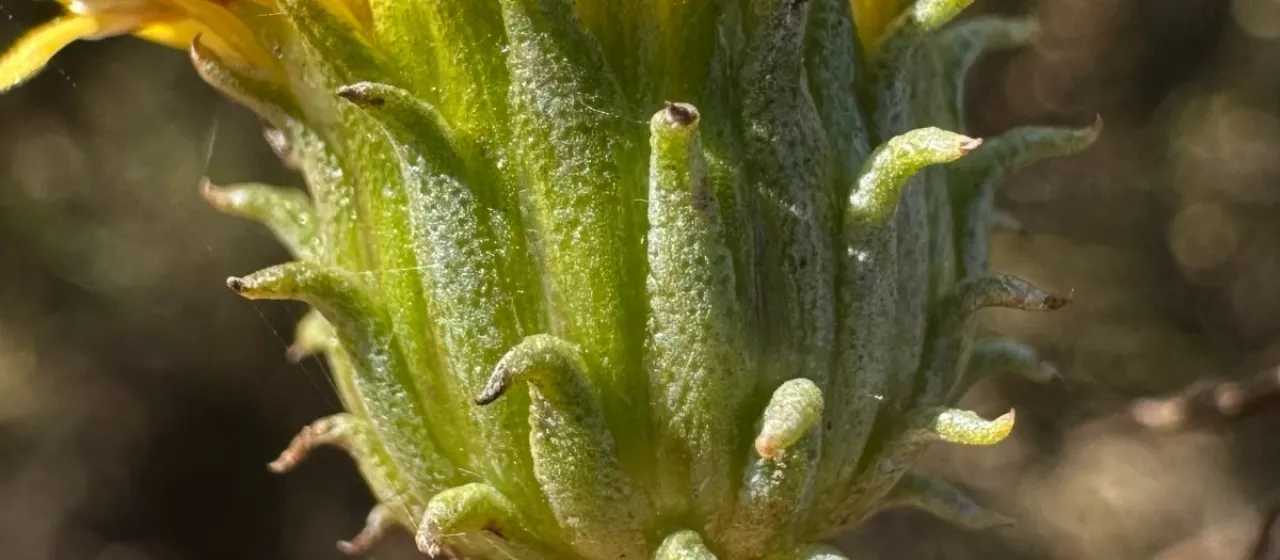
Botanically, Grindelia hirsutula is distinguished by its hirsute (hairy) stems and serrated foliage. The most distinct feature is the presence of sticky, resinous heads that encapsulate the flowers. This resin acts as a natural deterrent against many insects and helps the plant retain water under intense solar radiation, reflecting its evolutionary strategy for survival in arid regions.
The cultivation requirements are relatively low compared to traditional row crops. Farmers should focus on weed management during the establishment phase, as the plant grows slowly in its first year. Irrigation is essential only during germination and extreme drought, while fertilization should be kept moderate to avoid lush growth that might reduce resin concentration. Harvesting is typically done during the flowering stage using mechanical harvesters.
The economic value of this crop is primarily driven by the pharmaceutical sector. The resins harvested from the plant are rich in diterpenes, which provide potent anti-inflammatory, antispasmodic, and expectorant properties. While the crop is hardy, growers should remain vigilant against common pests such as aphids and environmental issues like fungal pathogens if humidity remains consistently high. Properly managed, it offers a sustainable source of medicinal raw materials.