
Description
Red-stemmed gumweed (Grindelia rubricaulis) is a herbaceous perennial plant belonging to the Asteraceae family. Known for its medicinal properties, this species is cultivated primarily for the resinous substances found in its foliage and flower heads, which are highly valued for their pharmacological potential in various therapeutic preparations.
The plant originates from the arid regions of North America, where it thrives in open, sun-drenched habitats. Its native range includes environments characterized by well-drained soils and significant temperature fluctuations, which has enabled the species to evolve strong drought-tolerant mechanisms, making it a robust candidate for low-maintenance agricultural production.
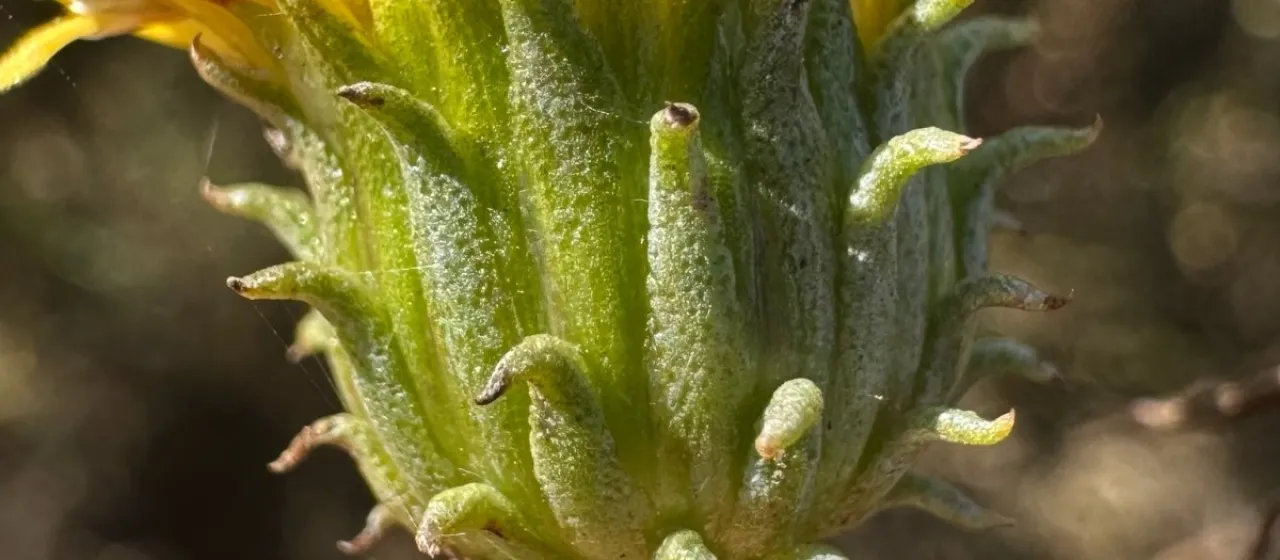
Botanically, the plant is identified by its stems, which often exhibit a distinct reddish coloration, providing the origin for its specific epithet. The leaves and involucral bracts are coated with a sticky, resinous exudate produced by specialized glands. This resin acts as a protective barrier against pests and environmental stressors, while also serving as the primary source of the plant's medicinal components.
Cultivation requirements for this crop focus on soil drainage and sun exposure. Grindelia rubricaulis performs best in sandy or gravelly soil types with a neutral to slightly alkaline reaction. It requires full sun to maximize the production of essential secondary metabolites. Growers must strictly avoid waterlogged conditions, as the root system is highly susceptible to fungal infections under anaerobic conditions.
Economically, the primary use of the crop is within the pharmaceutical sector. It is commonly processed into extracts for syrups and tinctures aimed at treating respiratory ailments such as bronchitis and asthma. Emerging research also explores the utility of its resins as natural antimicrobial agents, potentially offering sustainable solutions for both human health and agricultural pest control.
- Excellent adaptability to arid climates and poor soil conditions.
- Requires well-drained soil and high solar radiation.
- Significant medicinal use in treating respiratory conditions.
- Susceptibility to root pathogens in high-humidity environments.