
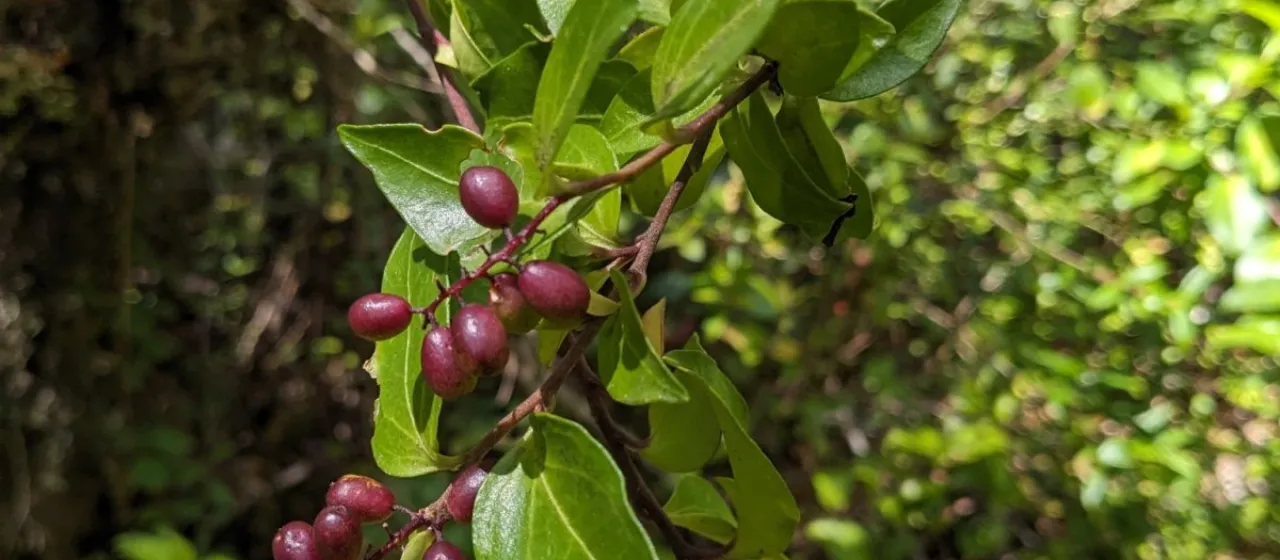
Description
Griselinia racemosa is a robust evergreen shrub or small tree belonging to the Griseliniaceae family. Known for its lush, leathery foliage and compact growth habit, it is a highly regarded species among landscapers seeking year-round structure in their garden designs.
The plant originates from the temperate rainforests of South America, specifically in regions of Chile and Argentina. Its natural habitat is characterized by high humidity and mild temperatures, which dictates its preference for specific microclimates when cultivated in gardens outside its native range.
Botanically, it features alternate, oval-shaped glossy leaves and a sturdy stem system. The plant develops a dense canopy, which can be easily managed through pruning to create formal or informal hedges. While the flowers are small and inconspicuous, they contribute to the plant's biological diversity and appeal during the flowering season.
Successful cultivation requires well-draining, nutrient-rich soil with a neutral pH level. Griselinia racemosa thrives best in partial shade to full sun but requires shelter from harsh, desiccating winds that can damage the leaf margins. Maintaining consistent soil moisture is crucial, especially during the first few years after establishment.
Economically and aesthetically, this plant is primarily used for creating windbreaks, privacy screens, and ornamental borders. Its susceptibility to diseases is generally low, though root rot may occur in waterlogged soils. Common pests include aphids and scale insects, which can be managed through standard integrated pest management techniques.