
Description
Griselinia scandens is a robust evergreen shrub or small tree belonging to the Griseliniaceae family. Known for its ability to climb or scramble when provided with support, it is most commonly cultivated as a dense, manageable shrub that is highly prized for its lustrous, bright green foliage.
The species is native to New Zealand, specifically thriving in coastal areas and temperate forest margins. Its natural habitat dictates its physiological needs, as it has evolved to withstand salt-laden winds and maritime environments, making it an excellent choice for coastal landscaping where many other ornamental plants would struggle to survive.
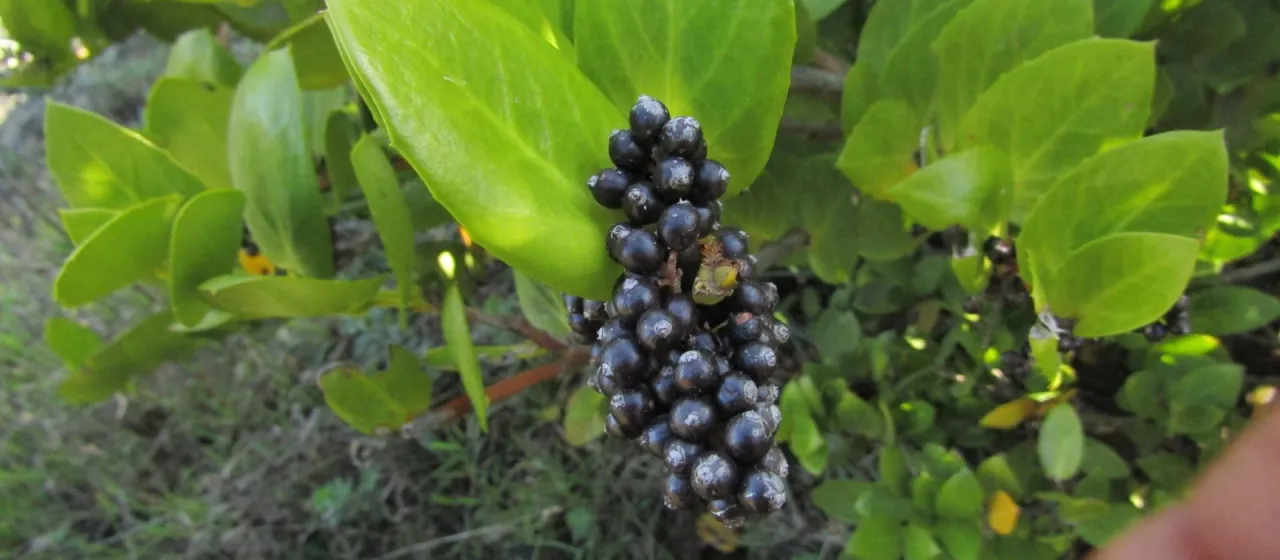
Botanically, the plant is characterized by leathery, oval-shaped leaves that maintain their deep green color throughout the year. It produces small, yellow-green flowers. While the floral display is modest, the plant remains a staple in landscaping due to its structural qualities. In suitable conditions, female plants can develop small, dark purple fruits, adding a layer of seasonal interest.
Agronomic requirements are focused on well-draining, nutrient-rich soil and a location with adequate light. Griselinia scandens is not frost-hardy and requires protection in regions experiencing deep freezes. Irrigation should be balanced; while it prefers moisture, waterlogging must be avoided to prevent root rot. Pruning is essential for maintaining a formal hedge or a compact, bushy habit.
Practical applications for the plant include:
- Windbreak and privacy hedging, especially in seaside gardens.
- Vertical coverage for trellises or fences where it can attach itself.
- Container gardening for patio displays in temperate climates.
- Feature planting in structural landscape designs.
In terms of plant health, it is generally resistant to most pests. However, it can occasionally be susceptible to scale insects and mealybugs, which are often encouraged by poor air circulation. Integrated pest management, including regular monitoring and the use of horticultural oils or systemic insecticides, is recommended to ensure the long-term health of the shrub.