
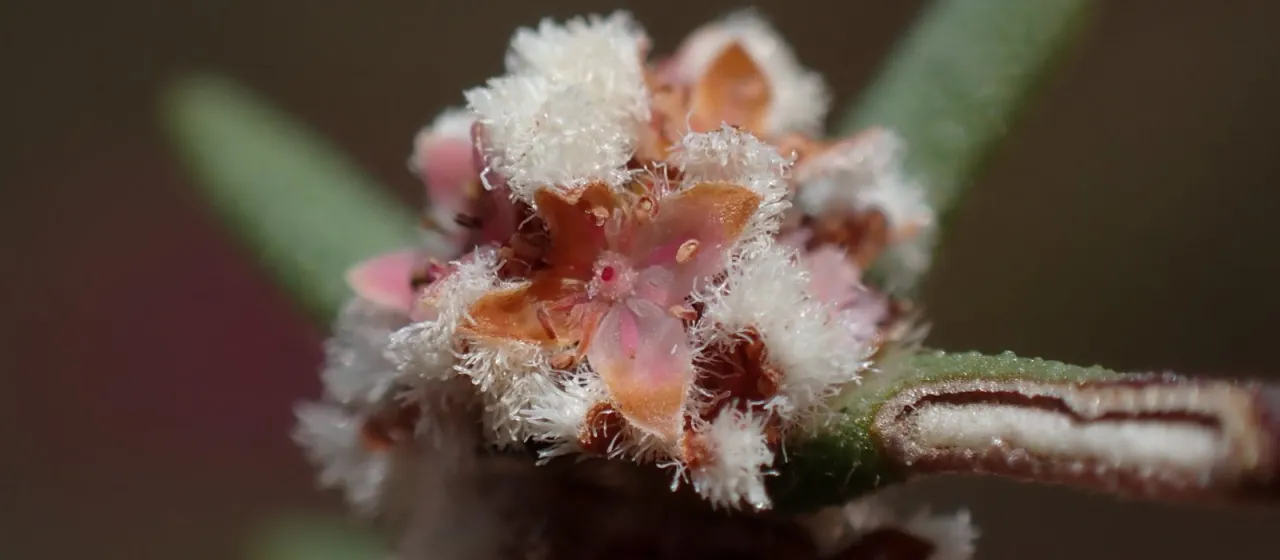
Description
Grubbia rosmarinifolia is a rare evergreen shrub belonging to the Grubbiaceae family. It is a distinctive botanical species characterized by its specialized morphology, which reflects its evolutionary history within the unique ecosystems of the Southern Hemisphere. As a niche agricultural and ornamental crop, it requires precise conditions to thrive outside its native range.
The plant originates from the Cape region of South Africa, an area known for its Mediterranean-type climate with wet winters and dry summers. In terms of cultivation range, it is best suited for environments that mimic these conditions. Globally, it is grown primarily in specialized botanical gardens and private collections where temperature and soil moisture can be strictly managed.
Botanically, Grubbia rosmarinifolia is recognized by its narrow, rosemary-like leaves that are arranged along stiff, woody branches. The shrub typically grows to a moderate height, forming a dense and symmetrical crown. The flowers are small, often inconspicuous at a distance, yet contribute to the overall biological complexity of this unique taxonomic group.
Regarding agricultural requirements, the species demands a well-draining, slightly acidic soil substrate. The root system is delicate and prone to hypoxia; therefore, cultivation on heavy or compacted soils should be avoided. Consistent light levels are necessary for maintaining the foliage density, and the plant benefits from high-quality air circulation to prevent physiological stress.
Common pests associated with this species include greenhouse invaders such as spider mites and scale insects. Disease management primarily involves preventing fungal root infections by ensuring excellent drainage and avoiding over-irrigation. While not a large-scale commercial crop, its use in high-end ornamental landscaping and research makes understanding its specific needs a priority for horticulturists.