
Description
Guapira opposita is an evergreen woody species belonging to the Nyctaginaceae family. In its natural habitat, it develops into a robust tree or a large shrub, characterized by a dense, evergreen canopy that makes it a highly valued specimen for ornamental landscaping and ecological restoration in tropical and subtropical regions.
The plant is native to the tropical forests of South and Central America, with a significant presence along the coastal dunes of Brazil. It has evolved to thrive in diverse environments, ranging from nutrient-poor sandy soils to more fertile tropical landscapes, demonstrating high plasticity and resilience in challenging growth conditions.
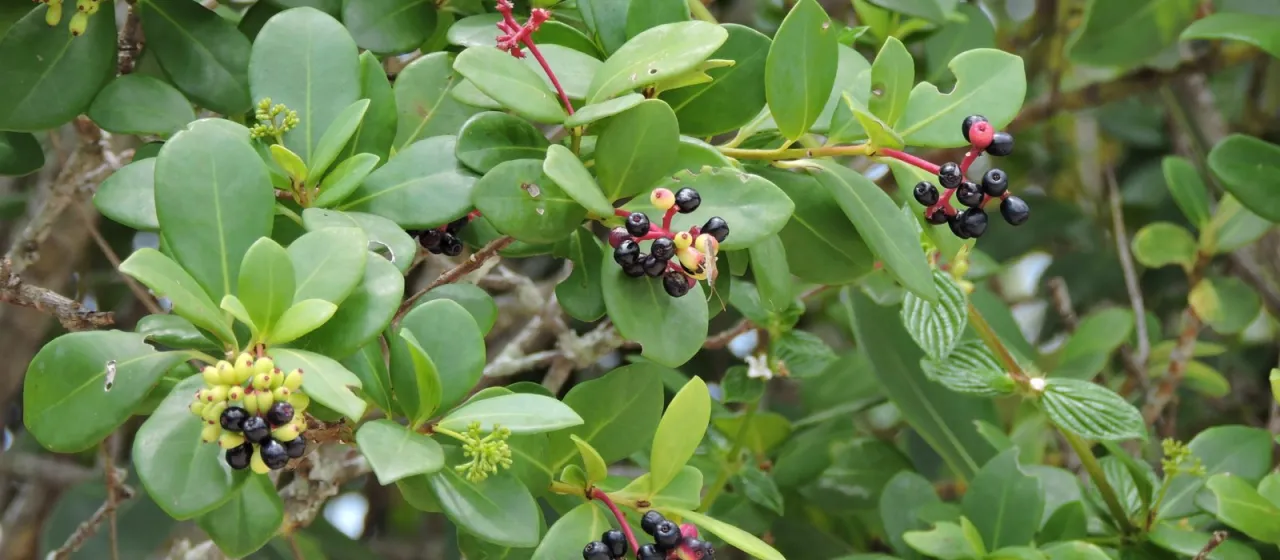
Botanically, Guapira opposita is defined by its opposite leaf arrangement, a trait from which its specific epithet is derived. The foliage is thick, leathery, and dark green, providing excellent aesthetic appeal year-round. Small, inconspicuous flowers are followed by drupaceous fruits, which play a crucial role in local ecosystems by attracting various bird species.
Cultivation requirements focus on maintaining a well-drained substrate, as the species is sensitive to waterlogging. While it exhibits moderate drought tolerance once established, consistent irrigation during the growth phase significantly improves leaf density. Pruning is recommended for structural training, allowing the tree to be shaped into hedges or windbreaks depending on agricultural needs.
The economic and practical utility of Guapira opposita is multifaceted:
- stabilization of soil in coastal and inland erosion-prone areas;
- creation of durable, wind-resistant green barriers;
- support of local biodiversity by providing fruit for wild birds;
- use in urban reforestation programs due to its low maintenance needs.
In terms of health management, growers must monitor for fungal pathogens that thrive in excessively damp soil environments. Common pests include scale insects and mealybugs, which can impair plant vigor. Effective management involves regular scouting and the application of targeted horticultural oils or systemic insecticides during early infestation stages.